
Introduction
Understanding epa drinking water rules removal is essential for anyone responsible for water quality in a home, school, business, or community facility. The U.S. Environmental Protection Agency establishes drinking water standards to reduce exposure to contaminants that may affect health, taste, odor, and long-term safety. While many public water systems already treat water to meet federal requirements, point-of-use and point-of-entry treatment can still play an important role in reducing specific contaminants, addressing private well concerns, and improving confidence in water quality.
This article explains how EPA drinking water rules relate to the removal of contaminants, what treatment technologies are commonly used, and how to evaluate whether a system is suitable for a particular issue. It also covers testing, maintenance, common misunderstandings, and the broader regulatory framework that supports drinking water protection. Readers looking for broader background information can also explore this complete guide and additional resources in the drinking water safety category.
It is important to begin with a simple principle: no single filter removes everything. The right solution depends on the contaminant, its concentration, the water source, whether the water comes from a regulated public system or a private well, and how the treatment unit is installed and maintained. Effective decision-making requires a combination of regulatory understanding, laboratory testing, treatment selection, and routine follow-up.
What It Is
At its core, epa drinking water rules removal refers to the processes and technologies used to reduce or eliminate contaminants from drinking water in a way that supports compliance with EPA standards or improves water quality where federal oversight may not directly apply, such as in private wells. EPA rules establish maximum contaminant levels, treatment techniques, action levels, and monitoring requirements for a range of substances including microbes, disinfection byproducts, metals, nitrate, arsenic, volatile organic compounds, synthetic chemicals, and emerging concerns that may be addressed through evolving guidance and future regulation.
Removal can happen at several levels:
- Source water protection, which prevents contamination before it reaches treatment plants.
- Municipal treatment, where public water systems use centralized processes to meet federal and state standards.
- Building-level treatment, such as systems installed for a school, apartment complex, or commercial site.
- Residential point-of-use treatment, such as under-sink reverse osmosis units or faucet filters.
- Residential point-of-entry treatment, such as whole-house carbon systems, softeners, or oxidation and filtration systems.
The term also includes the selection of appropriate epa drinking water rules filtration methods and other treatment technologies. Some contaminants are best addressed with physical filtration, others with adsorption, ion exchange, membrane separation, disinfection, aeration, or oxidation. In many cases, a treatment train with multiple stages is necessary.
It is also important to distinguish between compliance treatment and supplemental treatment. Compliance treatment is what regulated public water systems must do to meet legal standards. Supplemental treatment is often used by households and facility managers to reduce additional contaminants, improve aesthetics, or address localized plumbing-related issues such as lead from pipes and fixtures.
For readers who want a more foundational discussion of where drinking water rules come from and how they are applied, the resource on EPA drinking water rules provides helpful context.
Main Causes or Sources
Contaminants that trigger treatment decisions come from a wide range of natural and human-made sources. Understanding the source matters because it affects both risk and the best removal strategy. A water quality problem caused by corrosion in household plumbing requires a different solution than one caused by agricultural runoff or groundwater geology.
Common sources include:
- Naturally occurring minerals such as arsenic, uranium, manganese, iron, fluoride, and radium that can enter groundwater from rock and soil.
- Agricultural runoff that contributes nitrate, pesticides, herbicides, and microbial contamination.
- Industrial discharge and legacy contamination from solvents, metals, PFAS-related compounds, and other persistent chemicals.
- Stormwater and surface water impacts that carry sediment, pathogens, and organic matter into reservoirs and rivers.
- Wastewater and septic system failures that may introduce bacteria, viruses, nitrate, and pharmaceuticals.
- Distribution system problems including biofilm formation, pressure loss, pipe breaks, or intrusion events.
- Household plumbing corrosion that can release lead and copper into tap water.
- Disinfection byproducts formed when disinfectants react with organic matter in source water.
Public water systems generally monitor for regulated contaminants and use centralized treatment to manage these risks. However, water quality can still change after treatment due to aging infrastructure, premise plumbing, storage conditions, or seasonal variation. That is one reason why household or facility-level treatment may still be considered even when water is supplied by a regulated utility.
Private wells are especially important in this discussion. Unlike public systems, private wells are not regulated under the Safe Drinking Water Act in the same direct way. Well owners are responsible for testing and treatment. In those situations, understanding source geology, land use, septic proximity, flooding patterns, and well construction is essential for selecting effective epa drinking water rules treatment systems that address actual contaminants rather than assumptions.
More detailed discussion of contamination pathways can be found in this guide to causes and sources, as well as in resources focused on global water quality, where many of the same contamination principles apply under different regulatory systems.
Health and Safety Implications
The purpose of treatment is not merely to improve taste. It is to reduce health risks associated with short-term and long-term contaminant exposure. The severity of those risks depends on the contaminant, the level present, the duration of exposure, and the vulnerability of the person consuming the water.
Microbial contaminants such as bacteria, viruses, and protozoa can cause acute gastrointestinal illness and more severe disease in children, older adults, pregnant women, and people with compromised immune systems. Chemical contaminants may create slower, cumulative risks. For example:
- Lead is associated with developmental harm in children and cardiovascular and kidney effects in adults.
- Nitrate can be especially dangerous for infants because of its link to methemoglobinemia.
- Arsenic is associated with increased cancer risk and other chronic health concerns.
- Disinfection byproducts have been linked to elevated long-term health concerns when present above regulatory limits.
- Volatile organic compounds may affect the liver, kidneys, nervous system, or increase cancer risk depending on the compound.
Some contaminants also create operational or safety concerns even when health impacts are less immediate. High sediment can foul appliances and reduce disinfection efficiency. Hardness can scale plumbing and heating systems. Iron and manganese can stain fixtures and contribute to taste and odor complaints. Sulfur compounds can produce strong odors that affect consumer confidence, even if the issue is primarily aesthetic at the measured level.
When evaluating epa drinking water rules effectiveness, it is important to recognize that a treatment system is only effective if it reduces the specific contaminant of concern to an acceptable level under actual conditions of use. A filter that improves chlorine taste may do little for arsenic. A sediment filter may protect plumbing but cannot be relied on to remove dissolved nitrate. This is why contaminant-specific testing and certified performance claims are more important than marketing language.
For more on the risk side of the topic, see health effects and risks, which explores how different contaminants affect public health.
Testing and Detection
Testing is the foundation of sound treatment decisions. Without reliable testing, there is no way to know what needs to be removed, what treatment is appropriate, or whether installed equipment is working properly. Many people buy filters based on general concern, but targeted testing is far more efficient and protective.
For homes served by a public water system, begin with the utility’s annual Consumer Confidence Report and any notices related to violations, action levels, or planned infrastructure work. That report gives a snapshot of regulated contaminants, treatment methods, and detected levels. However, it may not fully reflect water quality at the tap inside a specific building, especially when plumbing-related contaminants are possible. In those cases, tap testing may still be warranted.
For private wells, laboratory testing is indispensable. A basic testing plan often includes:
- Total coliform bacteria and E. coli
- Nitrate and nitrite
- pH, hardness, and total dissolved solids
- Iron and manganese
- Arsenic, lead, and other metals where regionally relevant
- Fluoride, sulfate, chloride, or sodium depending on local conditions
- Volatile organic compounds or pesticides if land use suggests risk
Testing should also be repeated under certain conditions, such as after flooding, plumbing work, taste or odor changes, changes in household health patterns, nearby chemical spills, or installation of a new treatment unit. A one-time result is useful, but regular testing creates the baseline needed to assess change over time.
Sampling technique matters. Contaminants like lead and copper may require first-draw samples to capture plumbing exposure, while bacteria testing requires sterile collection and fast transport. Using an accredited laboratory and following sample instructions carefully is essential.
Detection is also tied closely to treatment verification. If a household installs one of the epa drinking water rules best filters for a contaminant such as lead, PFAS-related compounds, arsenic, or nitrate, follow-up sampling should confirm reduction at the tap. Testing before and after installation provides evidence that the chosen system is actually performing as expected.
Monitoring frequency depends on the contaminant and the system. For example:
- Microbial risks may require immediate and repeated testing after a contamination event.
- Nitrate may need seasonal or annual monitoring, especially in agricultural areas.
- Lead testing may be repeated after plumbing changes or fixture replacement.
- Carbon-based systems may need periodic water checks to ensure breakthrough has not occurred.
When in doubt, local health departments, state drinking water agencies, and certified water treatment professionals can help interpret results and prioritize next steps.
Prevention and Treatment
Prevention is always preferable to corrective treatment. Protecting source water, maintaining plumbing, and preventing cross-connections can reduce the need for expensive downstream equipment. Still, when contaminants are present, properly selected treatment can be highly effective.
Prevention strategies
- Maintain wells, caps, and sanitary seals to prevent intrusion.
- Keep hazardous chemicals, fuel, and waste away from wellheads and recharge areas.
- Inspect septic systems regularly.
- Use corrosion control practices and replace lead-containing plumbing components.
- Flush stagnant water where appropriate after periods of nonuse.
- Protect source watersheds and manage runoff near surface water intakes.
Common treatment technologies
Different contaminants require different technologies. The most common epa drinking water rules filtration methods and treatment approaches include the following:
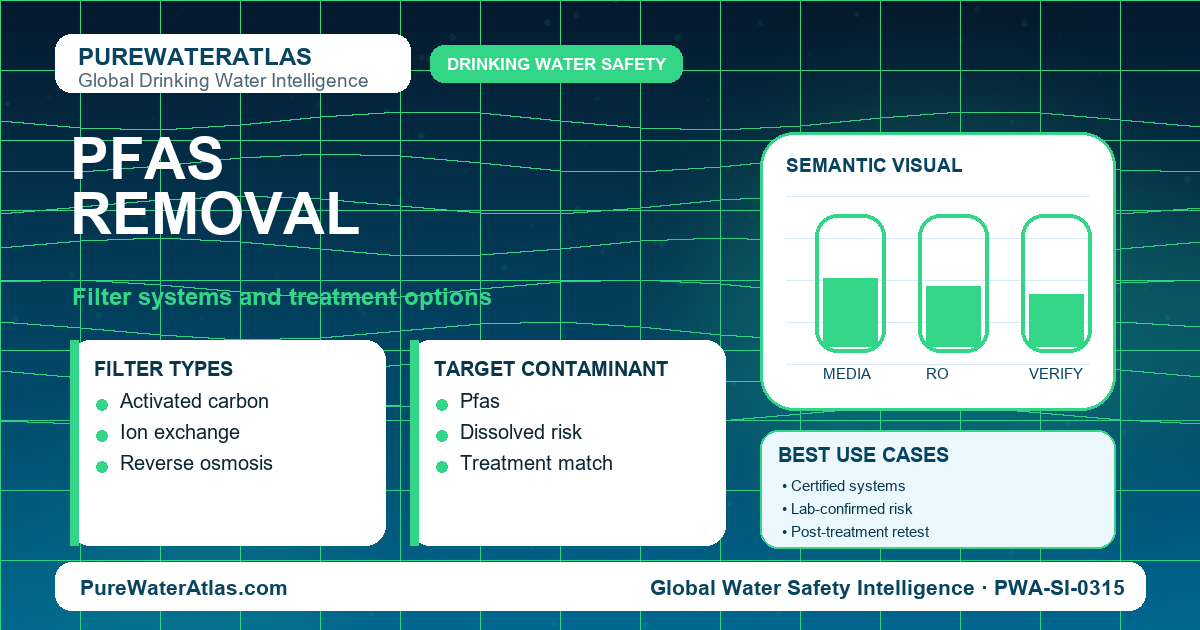
- Activated carbon: Useful for chlorine, many taste and odor compounds, some volatile organic compounds, and some PFAS-related contaminants depending on design. It is not a universal solution for dissolved inorganic contaminants.
- Reverse osmosis: Effective for many dissolved salts, nitrate, arsenic, fluoride, and some metals and synthetic compounds. Typically used at the point of use, especially under the sink.
- Ion exchange: Used for hardness, nitrate, and certain other ions depending on resin type.
- Distillation: Can remove many dissolved contaminants and microbes, though it is energy-intensive and relatively slow.
- Ultraviolet disinfection: Effective against many microorganisms when water is clear enough and the unit is correctly sized and maintained. It does not remove chemicals.
- Mechanical sediment filtration: Removes sand, silt, rust, and particles. Often used as a pretreatment stage.
- Oxidation and filtration: Used for iron, manganese, hydrogen sulfide, and sometimes arsenic with proper chemistry.
- Aeration: Useful for some volatile contaminants and dissolved gases such as radon or hydrogen sulfide.
Choosing the right system
When selecting epa drinking water rules treatment systems, several factors should guide the decision:
- Contaminant specificity: The system should be certified or otherwise validated for the contaminant in question.
- Influent concentration: High contaminant levels may exceed a device’s practical capacity.
- Water chemistry: pH, hardness, turbidity, iron, and competing ions can change performance.
- Flow rate and household demand: A system must meet actual usage without compromising contact time or pressure.
- Installation location: Point-of-use systems treat drinking and cooking water only, while point-of-entry systems treat all water entering the building.
- Certification: Look for independent certification to relevant standards from recognized organizations.
Consumers often ask about the epa drinking water rules best filters. The best filter is not the one with the most claims; it is the one that is independently certified for the contaminant you actually have, sized correctly for your water demand, installed properly, and maintained on schedule.
Maintenance and long-term performance
No treatment system remains effective without upkeep. epa drinking water rules maintenance is central to safe operation. A poorly maintained unit may lose effectiveness, allow breakthrough, support microbial growth, reduce water pressure, or create a false sense of security.
Key maintenance practices include:
- Replacing cartridges and membranes at recommended intervals or sooner if water quality indicates.
- Sanitizing housings and storage tanks when required.
- Checking seals, fittings, and bypass valves.
- Monitoring pressure drops and flow changes.
- Testing treated water on a regular schedule.
- Keeping service records and installation manuals.
Whole-house systems may require media replacement, backwashing, chemical feed adjustments, or pretreatment optimization. UV systems require lamp replacement and sleeve cleaning. Reverse osmosis units need membrane monitoring and prefilter changes. Carbon systems need timely media replacement because exhausted media cannot continue providing reliable removal.
Homeowners and building managers interested in broader equipment comparisons may find additional options in the water treatment systems category.
Common Misconceptions
Several common misconceptions can lead to poor treatment decisions or unnecessary expense.
“If water is clear, it is safe.”
Many harmful contaminants are invisible, tasteless, and odorless. Nitrate, arsenic, lead, and many synthetic chemicals cannot be detected by appearance alone.
“A public water supply never needs additional treatment.”
Public systems are regulated and often highly reliable, but tap water quality can still be affected by household plumbing, premise plumbing, local disturbances, or individual preferences. Supplemental treatment may be appropriate in some settings, provided it is evidence-based.
“One filter can remove everything.”
This is one of the most persistent myths. Different contaminants require different treatment mechanisms. Broad claims should be verified against certification data and contaminant-specific performance information.
“Maintenance is optional if the water still tastes fine.”
Taste is not a reliable indicator of treatment performance. Filters can become exhausted without obvious taste changes, and some contaminants have no sensory warning signs at all.
“Bottled water is always safer.”
Bottled water is not automatically superior. It is regulated differently, can be costly over time, and may not address the specific contaminant concerns present in a given location. A well-tested and well-maintained treatment system can be a more practical long-term option.
“EPA approval means a product is the right choice for every home.”
EPA regulations set standards for water quality, but treatment product selection still requires local testing, proper sizing, and careful interpretation of certified claims. There is no universal product recommendation for all water conditions.
Regulations and Standards
The regulatory foundation for this topic comes primarily from the Safe Drinking Water Act, which authorizes the EPA to set national standards for public drinking water systems. These include enforceable standards for many contaminants, required treatment techniques for certain risks, monitoring schedules, reporting obligations, and public notification requirements.
Important regulatory concepts include:
- Maximum Contaminant Level (MCL): The highest level of a contaminant allowed in public drinking water.
- Maximum Contaminant Level Goal (MCLG): A non-enforceable health-based goal.
- Treatment Technique (TT): A required process intended to reduce contaminant levels when direct measurement or a numeric limit alone is not sufficient.
- Action Level: A threshold that triggers required actions, such as corrosion control or public education.
States may implement drinking water programs with EPA oversight and can adopt standards or requirements that are at least as stringent as federal rules, and sometimes more stringent. This means compliance obligations and treatment priorities may vary by state, especially for emerging contaminants or localized water quality concerns.
Product standards and certifications are also important, though they are distinct from EPA regulations themselves. Many consumers reasonably assume that if a contaminant is regulated, any filter marketed for that contaminant must work. In reality, performance should be verified through recognized testing and certification standards, often from independent bodies. Certification marks can help indicate that claims for contaminant reduction, material safety, and structural integrity have been evaluated under standardized conditions.
Another important distinction is the difference between public water systems and private wells. EPA drinking water rules apply directly to public water systems, not to individual private wells. However, the health-based standards are still useful benchmarks for private well owners deciding when removal or treatment is necessary.
Regulation also intersects with communication. Public systems must issue notices when standards are exceeded, when treatment failures occur, or when monitoring requirements are not met. Consumers should read these notices carefully, because they may indicate whether boiling water, flushing, alternative water use, or additional household treatment is recommended.
As emerging contaminants receive more attention, the regulatory landscape continues to evolve. That makes it especially important for consumers and facility managers to stay informed through reliable sources, review annual reports, and re-evaluate treatment plans as standards and scientific understanding develop.
Conclusion
Effective epa drinking water rules removal begins with understanding what contaminants are present, where they come from, and how specific treatment technologies perform under real-world conditions. EPA standards provide the public health framework, but successful contaminant reduction depends on accurate testing, careful technology selection, correct installation, and disciplined maintenance.
There is no one-size-fits-all answer. Some situations call for municipal upgrades, some for plumbing corrections, and some for residential or facility-level treatment. Activated carbon, reverse osmosis, UV disinfection, ion exchange, oxidation, and sediment filtration all have useful roles, but only when matched to the right problem. That is why epa drinking water rules effectiveness should always be evaluated in terms of contaminant-specific performance, not general claims.
Whether you are assessing a public water report, managing a private well, or comparing epa drinking water rules treatment systems for a building, the most reliable path is the same: test first, choose certified and appropriate technology, maintain it properly, and verify performance over time. With that approach, treatment becomes not just a convenience, but a practical extension of the public health protections that drinking water regulations are designed to support.
Read the full guide: Drinking Water Safety Guide
Explore more in this category: Drinking Water Safety Articles