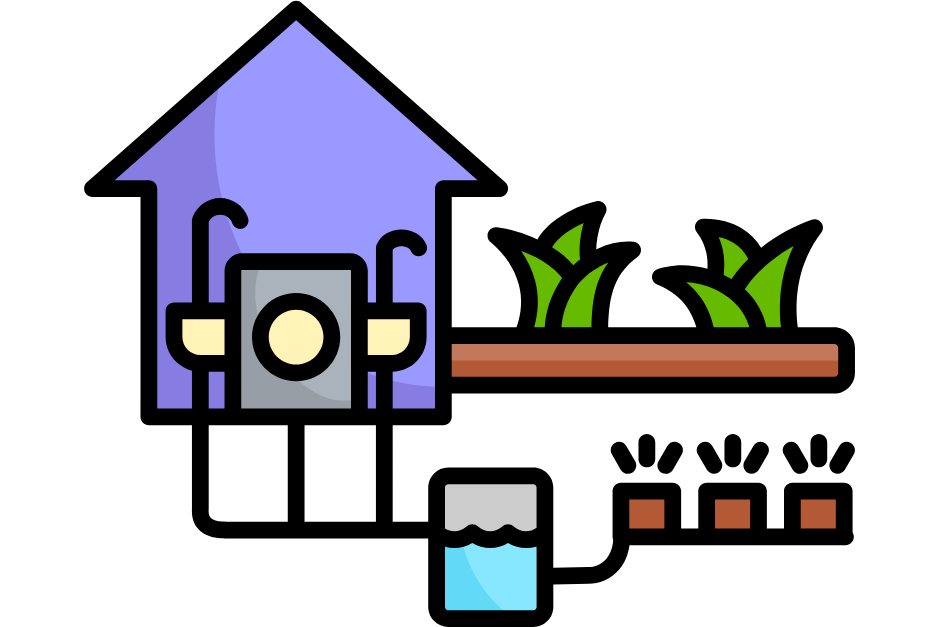
Greywater recycling for cities is the planned collection, treatment, and reuse of wastewater from showers, baths, bathroom sinks, laundry, and sometimes other non-toilet sources. It is different from blackwater, which contains toilet waste and higher pathogen loads. When designed and operated correctly, greywater recycling can reduce demand for potable water, lower pressure on sewers, support drought resilience, and create a more flexible urban water system.
The subject sits at the intersection of engineering, public health, microbiology, plumbing, urban planning, and community trust. Greywater is not clean water. It may contain skin microorganisms, fecal traces from bathing, detergents, hair, lint, nutrients, oils, microplastics, and household chemicals. Yet it is usually less contaminated than combined municipal wastewater. That makes it a useful candidate for non-potable reuse after appropriate treatment and safeguards.
This complete guide explains how greywater recycling for cities works, where it is safest, which purification methods are commonly used, what risks must be controlled, and how municipalities can evaluate whether a building, district, or city-wide approach makes sense. It is written for water professionals, planners, building owners, policy teams, and households who want a serious but practical overview of urban greywater reuse.
What Greywater Is, and What It Is Not
Greywater is wastewater that has been used in buildings but has not come from toilets. Common sources include showers, bathtubs, bathroom hand basins, washing machines, and laundry sinks. Some definitions also include water from kitchen sinks and dishwashers, but many city codes classify kitchen wastewater as high-strength greywater or even blackwater because it can contain food residues, fats, oils, grease, and higher microbial loads.
Blackwater is wastewater from toilets and urinals. It carries feces, urine, toilet paper, and much higher concentrations of pathogens and organic matter. Municipal sewage is often a combined mixture of blackwater, greywater, industrial discharge, stormwater infiltration, and other flows. The distinction matters because treatment requirements, plumbing separation, public acceptance, and health risks differ substantially.
Greywater recycling does not mean that untreated used water is sent directly into homes or landscapes without controls. In cities, a safe system usually includes source separation, equalization storage, filtration, biological treatment or membrane treatment, disinfection, monitoring, labeling, backflow prevention, and clear restrictions on how the recycled water may be used. The level of treatment should match the exposure risk of the intended use.
Most urban greywater systems produce non-potable water. That means the water is not intended for drinking, cooking, brushing teeth, or bathing. Typical uses include toilet and urinal flushing, subsurface irrigation, landscape watering, cooling tower make-up, street cleaning, construction dust control, and certain industrial processes. Potable reuse is a separate and more stringent field that requires advanced treatment, multiple barriers, and intensive monitoring.
Why Cities Are Interested in Greywater Recycling
Cities face growing water stress from population growth, drought, groundwater depletion, aging infrastructure, climate variability, and competition among domestic, agricultural, industrial, and ecological needs. The global water situation is tracked by organizations such as UN-Water, which emphasizes that water scarcity and sanitation pressures are not limited to arid regions. Even water-rich cities can experience localized shortages, treatment bottlenecks, or sewer capacity problems.
Greywater recycling offers cities a way to match water quality with purpose. Drinking-quality water is expensive to collect, treat, distribute, and protect. Using it to flush toilets or irrigate ornamental landscapes is often unnecessary when a lower-grade but safe alternative can be supplied. The value of greywater is not only the volume saved. It can also delay infrastructure expansion, reduce peak wastewater flows, cut energy use in centralized systems, and improve resilience when drought restrictions are imposed.
For households and building managers, greywater reuse may reduce water bills in regions with high tariffs or sewer charges. For municipalities, it may support conservation targets and help meet sustainability goals. For developers, decentralized water reuse can make large campuses, mixed-use districts, and high-density housing projects more water efficient. The strongest cases usually occur where water scarcity, high water costs, limited sewer capacity, or strict discharge requirements already create pressure for change.
Greywater recycling belongs within the broader field of Wastewater Treatment Process planning. It does not replace centralized wastewater treatment, drinking water treatment, or watershed protection. Instead, it creates another managed loop in the urban water cycle, one that must be coordinated with plumbing codes, public health rules, utilities, and long-term maintenance capacity.
Typical Greywater Sources and Water Quality
Greywater quality varies widely. A shower in a residential apartment has a different contaminant profile from laundry discharge in a hotel or gym. Water from hand basins may be dilute, while laundry water can contain surfactants, optical brighteners, fragrances, microfibers, salts, and intermittent high pH. The design of a greywater recycling system must start with a realistic source assessment rather than an assumption that all greywater is similar.
Key water quality parameters include biochemical oxygen demand, chemical oxygen demand, total suspended solids, turbidity, nutrients, pH, electrical conductivity, residual chlorine or disinfectants, surfactants, indicator organisms such as E. coli, and sometimes specific chemicals of concern. Microbial indicators are not perfect, but they help operators judge whether treatment and disinfection are working. Physical parameters such as turbidity are also important because suspended solids can shield microorganisms from disinfectants.
The table below summarizes common urban greywater sources and the main design concerns. Values are not universal; local testing is needed for engineering decisions.
| Greywater source | Common contaminants | Relative treatment challenge | Typical reuse suitability after treatment |
|---|---|---|---|
| Showers and bathtubs | Soap, shampoo, skin cells, hair, microorganisms, traces of fecal bacteria | Low to moderate | Toilet flushing, subsurface irrigation, landscape use, cooling applications with adequate treatment |
| Bathroom sinks | Soap, toothpaste, cosmetics, hand-washing microorganisms | Low to moderate | Toilet flushing and irrigation after filtration and disinfection |
| Laundry | Detergents, lint, microfibers, salts, bleach, fabric softeners, variable pH | Moderate | Irrigation where salinity is controlled, toilet flushing, selected non-potable uses |
| Kitchen sinks | Food particles, grease, oils, high organic load, pathogens | High | Often excluded or treated under stricter rules |
| Dishwashers | Food residues, detergents, heat, grease, high pH | High | Often excluded from simple greywater systems |
Because greywater composition changes by building type, culture, product use, and season, city programs should avoid copying treatment designs without verification. A multifamily residential tower, a hotel, a student residence, and a hospital-adjacent building can all produce different flows and risks. A sound Water Testing Guide approach is also useful for non-potable reuse programs because sampling plans, chain of custody, indicator selection, and laboratory quality control determine whether the data can be trusted.
How City Greywater Recycling Systems Work
A city greywater recycling system is not just a tank and a pump. It is a controlled treatment train. The exact design depends on source water quality, volume, intended use, local regulation, building layout, climate, and operator capacity. Still, most systems include the same core functions: collection, screening, flow balancing, treatment, disinfection, storage, distribution, monitoring, and fail-safe bypass.
Source Separation and Collection
Source separation begins in the building plumbing. Greywater pipes are separated from blackwater pipes and routed to a treatment unit or district-scale facility. This is easiest in new construction. Retrofitting older buildings can be expensive because walls, floors, drains, and vertical stacks may not be accessible. Clear pipe labeling, color coding, inspection points, and as-built documentation are essential. Cross-connections between potable water and recycled water are a serious public health hazard.
Plumbing codes often require a bypass to the sewer. If the greywater system is offline, overloaded, or producing water that fails quality criteria, incoming greywater should automatically divert to the sanitary sewer. This protects users and prevents untreated water from being sent to storage or reuse fixtures.
Screening and Primary Solids Removal
Greywater contains hair, lint, fibers, and small particles that can clog pumps, membranes, emitters, and valves. Screens, basket strainers, settling compartments, lint filters, or hydrodynamic separators may be used. Primary treatment is not enough to make greywater safe, but it protects downstream equipment and improves system stability.
Laundry-heavy systems need particular attention to lint and microfibers. Hotels, apartment buildings, and laundromats can generate high solids loads. If these solids are not controlled early, maintenance costs rise and disinfection becomes less reliable.
Equalization and Storage Control
Greywater is generated unevenly. Residential showers may peak in the morning and evening. Hotel laundry may peak during housekeeping operations. Toilet flushing demand may occur at different times from greywater production. Equalization tanks smooth these peaks and allow treatment systems to operate more consistently.
Storage must be managed carefully. Untreated greywater can turn septic quickly, producing odor, biofilms, and microbial growth. Many codes limit storage time for untreated greywater. Treated recycled water may also need turnover, residual disinfectant, and periodic tank cleaning. Designers should avoid oversized tanks that allow water to stagnate.
Biological Treatment
Biological treatment uses microorganisms to break down biodegradable organic matter. Options include moving bed biofilm reactors, sequencing batch reactors, constructed wetlands, membrane bioreactors, and other aerobic systems. Biological treatment is valuable when greywater has significant organic load, surfactants, or variable water quality.
Membrane bioreactors can produce high-quality effluent with low turbidity, but they require energy, skilled maintenance, membrane cleaning, and careful solids management. Simpler biofilters may be appropriate for smaller systems, but their performance can vary with temperature, loading, and maintenance. The right technology is the one that reliably meets the reuse standard with the available operator skill and budget.
Filtration and Membrane Processes
Filtration removes suspended particles and improves disinfection performance. Common options include sand filters, multimedia filters, cartridge filters, disc filters, ultrafiltration, and microfiltration. Membrane systems create a physical barrier to many particles and microorganisms, although viruses and dissolved chemicals may require additional barriers depending on the use.
Filter selection should consider influent quality, backwash needs, waste stream disposal, pressure loss, replacement cost, and fouling risk. A filter that performs well in a pilot test but clogs weekly in real operation can undermine the entire program. Cities should ask for full maintenance assumptions, not only equipment brochures.
Disinfection
Disinfection is the final microbial barrier for most urban non-potable reuse systems. Chlorine, ultraviolet light, ozone, peracetic acid, or combinations may be used. Chlorine provides a measurable residual in storage and distribution, which helps control regrowth. UV provides strong inactivation when water has low turbidity and sufficient UV transmittance, but it does not leave a residual. Ozone is powerful but more complex and typically used in larger or more advanced systems.
No disinfectant works well if the upstream treatment fails. Turbidity, organic matter, ammonia, biofilms, and short contact time can reduce performance. For this reason, a multi-barrier approach is safer than relying on a single unit. Treatment goals should be expressed not only as equipment types, but also as measurable water quality limits.
Distribution and End-Use Controls
After treatment, recycled greywater is pumped through a non-potable distribution network to approved fixtures or uses. Pipes should be clearly labeled and separated from potable lines. Backflow prevention is mandatory where any connection to potable water exists, such as a make-up water supply for times when recycled water is insufficient. Fixtures supplied with recycled water may require signs stating that the water is not for drinking.
Pressure management, corrosion control, residual disinfectant control, and routine flushing can all matter. Recycled water distribution systems may develop biofilms if water stagnates. Designers should minimize dead legs, maintain turnover, and provide sampling points where operators can check water quality.
Safe Uses for Recycled Greywater in Cities
The safest greywater applications are those with low human exposure and low risk of ingestion. Subsurface irrigation, toilet flushing, and certain closed industrial uses are generally easier to manage than spray irrigation in crowded public spaces. The more direct the exposure, the higher the treatment and monitoring burden.
Toilet and urinal flushing is one of the most common building-scale uses. It provides steady demand in multifamily buildings, offices, airports, schools, and commercial facilities. Users generally do not touch the water, but aerosols can be generated during flushing, so microbial control remains necessary. Color, odor, and clarity also affect acceptance.
Irrigation is another common use, but it requires soil and plant compatibility. Greywater may contain salts, boron, sodium, surfactants, or elevated pH that can damage sensitive plants or degrade soil structure over time. Subsurface drip irrigation is usually safer than spray irrigation because it reduces aerosol exposure and contact with leaves or edible crops. Edible crop irrigation may be restricted or prohibited unless treatment is advanced and local rules allow it.
Cooling towers can use treated greywater, but this application requires careful control because warm recirculating systems can support microbial growth, scaling, corrosion, and bioaerosols. Legionella risk management is critical. Cooling applications should be designed by professionals familiar with both recycled water and cooling water chemistry.
| Urban reuse application | Exposure risk | Key safeguards | Common suitability |
|---|---|---|---|
| Toilet and urinal flushing | Low to moderate | Filtration, disinfection, pipe labeling, backflow prevention, odor control | High in dense buildings |
| Subsurface landscape irrigation | Low | Solids removal, salinity management, no ponding, controlled storage | High where landscapes need water |
| Spray irrigation in public areas | Moderate to high | Higher disinfection, aerosol control, access limits, wind management | Site-specific |
| Cooling tower make-up | Moderate | Advanced treatment, corrosion and scale control, Legionella management | High for large facilities with skilled operators |
| Street cleaning and dust control | Moderate | Disinfection, exposure controls, approved use zones | Useful but regulated |
| Drinking or cooking | High | Not appropriate for ordinary greywater systems; requires potable reuse standards | Generally not suitable |
Water Safety Principles for Greywater Recycling
Water safety is the central issue in urban reuse. A greywater system that saves water but creates infection risk, chemical exposure, cross-connections, or public distrust is not successful. The same disciplined thinking used in drinking water protection should be adapted for non-potable reuse: identify hazards, control them at multiple points, monitor performance, prepare for failures, and communicate clearly.
The World Health Organization describes safe water as a foundation of public health. While WHO drinking water guidance is not a greywater design manual, its risk-based approach is relevant: water systems need source protection, treatment barriers, operational control, and surveillance. Similarly, the U.S. Environmental Protection Agency provides drinking water information that reinforces the importance of contamination prevention, monitoring, and regulatory oversight.
For greywater, the main microbial hazards include bacteria, viruses, protozoa, and opportunistic pathogens. Greywater can contain fecal contamination even when toilets are excluded, especially from bathing, laundering undergarments, diaper washing, or contaminated surfaces. Pathogen concentrations are typically lower than blackwater but not negligible. Systems serving vulnerable populations, such as hospitals, long-term care facilities, childcare centers, or shelters, require more conservative risk assessment.
Chemical hazards include detergents, disinfectants, fragrances, preservatives, solvents from household products, nutrients, salts, and metals from plumbing. Many chemicals occur at low concentrations, but chronic irrigation can accumulate salts or affect soil. Laundry greywater can be problematic in arid climates where evaporation concentrates salinity. Public education about product choice can improve greywater quality, but treatment design should not depend entirely on perfect user behavior.
Cross-connection control deserves special emphasis. A cross-connection is an unintended link between a non-potable recycled water line and a potable water line. If pressure changes occur, contaminated water can enter the drinking water system. Cities should require plan review, inspections, pressure testing, dye testing where appropriate, certified backflow assemblies, and periodic reinspection. For household readers concerned about tap water quality more broadly, PureWaterAtlas also provides a guide to Drinking Water Safety.
Regulations, Standards, and Permitting
Greywater regulation is highly local. Requirements may be set by national law, state or provincial codes, city plumbing codes, public health departments, environmental agencies, building departments, and water utilities. Some jurisdictions allow simple residential greywater irrigation with minimal permitting. Others require engineered treatment, operator certification, sampling, reporting, and annual inspections for any indoor reuse.
Regulators typically focus on four questions. What is the source water? What treatment is provided? What is the intended use? Who is responsible for operation and maintenance? A small single-family laundry-to-landscape system has a different risk profile from a high-rise system supplying hundreds of toilets. A district-scale reuse network serving several buildings needs even stronger governance.
Common regulatory requirements include approved plumbing separation, purple pipe or equivalent non-potable identification, backflow prevention, signage, storage limits, treatment performance criteria, turbidity and disinfectant residual monitoring, microbial limits, maintenance logs, and failure alarms. Some codes require continuous online monitoring for larger systems. Others require periodic laboratory sampling. Where cooling towers or public spray irrigation are involved, additional rules may apply.
City policy should be clear enough that designers know what is expected before construction begins. Vague rules create delays, inconsistent enforcement, and unsafe improvisation. At the same time, overly rigid technology mandates can prevent innovation. Performance-based standards, supported by approved treatment categories and operator requirements, often work better than a one-size-fits-all equipment list.
Greywater reuse should also fit within regional wastewater and water supply planning. The Wastewater Treatment category covers related topics such as centralized treatment, sludge management, nutrient removal, and reuse. Cities should evaluate whether decentralized greywater recovery reduces or complicates flows to existing treatment plants, especially where sewer systems depend on certain flow volumes to move solids.
Purification Methods Used in Urban Greywater Systems
The phrase purification methods can be misleading if it suggests that greywater is made pure in an absolute sense. Treatment is always designed for a target use and risk level. For most city greywater recycling systems, the goal is safe non-potable water, not distilled water. Still, several purification methods are widely used, often in combination.
Physical treatment removes visible and suspended material. Screens capture hair and lint. Settling tanks remove heavier particles. Filters reduce turbidity and protect disinfection. Membranes provide finer separation and can produce very low particle counts. Physical treatment is the foundation for stable operation, but it does not reliably remove dissolved chemicals or all pathogens by itself.
Biological treatment reduces biodegradable organic matter and some surfactants. Aerobic systems are common because they limit odor and support efficient breakdown of organic compounds. Biofilm reactors and membrane bioreactors are popular in compact urban settings. Constructed wetlands can work in campuses or warm climates with land availability, but dense cities often lack space.
Chemical treatment may include coagulation, pH adjustment, activated carbon, oxidation, or corrosion control chemicals. Activated carbon can reduce some organic chemicals and odors, but it must be replaced or regenerated before breakthrough occurs. Coagulation can improve particle removal but produces sludge. Chemical additions require storage, dosing control, safety procedures, and trained operators.
Disinfection methods include chlorination, ultraviolet irradiation, ozone, and other oxidants. Chlorine is familiar, measurable, and useful for maintaining a residual. UV is effective for many microorganisms when water clarity is high. Ozone can help with color, odor, and microbial control but increases system complexity. Combined systems can improve reliability if each barrier is monitored.
Advanced treatment, such as reverse osmosis or advanced oxidation, is generally not required for ordinary non-potable greywater reuse unless the application has high exposure or specific chemical concerns. These methods increase cost, energy use, concentrate disposal needs, and operational complexity. They are more typical in potable reuse or high-grade industrial reuse than in basic toilet flushing systems. For comparison across household and building technologies, see PureWaterAtlas on Water Treatment Systems.
Designing Greywater Recycling for Buildings, Districts, and Cities
Urban greywater projects can be designed at several scales. Building-scale systems collect and treat greywater within one building. They are common in high-rise apartments, hotels, office towers, universities, and large public buildings. Their advantages include local control, shorter distribution networks, and direct matching of supply and demand. Their disadvantages include duplicated equipment across many buildings and the need for many owners to maintain systems properly.
District-scale systems collect greywater from several buildings and treat it at a shared facility. This can be efficient in planned developments, campuses, eco-districts, airports, military bases, and mixed-use neighborhoods. Shared systems can justify better treatment, professional operation, and more robust monitoring. They also require legal agreements, easements, cost-sharing mechanisms, and clear responsibility for failures.
City-wide greywater networks are less common because retrofitting separate greywater sewers across an existing city is expensive and disruptive. However, new districts can be planned with dual plumbing and non-potable networks from the beginning. Some cities also use broader municipal recycled water systems based on treated wastewater effluent rather than source-separated greywater. The choice depends on infrastructure history, urban density, water scarcity, economics, and regulatory support.
A sound design process begins with a water balance. How much greywater is produced each day? How much non-potable demand exists? Do production and demand occur at the same time? What happens during holidays, vacancies, drought restrictions, or equipment downtime? Oversizing a system can create stagnation and high capital cost. Undersizing may produce little benefit and frustrate users.
Next comes source quality assessment. Designers should identify all drains included in the system and exclude high-risk sources where needed. Laundry water may be acceptable in one project and problematic in another. Kitchen wastewater should not be added casually. If the system depends on residents avoiding certain products, the risk management plan should be realistic about compliance.
Then the design team sets treatment targets based on end use and regulation. These may include turbidity, E. coli or other indicator limits, disinfectant residual, pH, odor, color, total suspended solids, biochemical oxygen demand, and operational alarms. The targets should be measurable, enforceable, and connected to automatic responses when limits are exceeded.
Finally, designers must plan for operation. Who cleans screens? Who calibrates sensors? Who replaces filters? Who reviews laboratory data? Who responds at 2 a.m. when an alarm activates? Greywater recycling can fail not because the technology is impossible, but because maintenance responsibilities were vague or underfunded. Successful projects treat operations as part of design, not an afterthought.
Monitoring, Testing, and Verification
Monitoring is what turns a greywater recycling system from a hopeful conservation measure into a controlled public health intervention. A city cannot assume that treatment is working simply because water looks clear. Many microbial hazards are invisible, and some chemical problems appear only after long-term operation.
Continuous online monitoring may include flow, tank level, turbidity, pressure, UV intensity, chlorine residual, oxidation-reduction potential, pH, conductivity, and system status alarms. These parameters provide rapid warning of equipment failure or water quality change. They do not replace laboratory testing, but they help operators respond quickly.
Laboratory testing may include indicator bacteria, heterotrophic plate counts, total suspended solids, biochemical oxygen demand, chemical oxygen demand, nutrients, surfactants, and other parameters required by local rules. Sampling locations should include post-treatment water, storage tanks, distribution points, and sometimes source greywater. Sampling frequency should reflect system size, risk, and past performance.
Verification also includes physical inspections. Inspectors may check pipe labeling, backflow devices, signage, bypass function, storage tank condition, pump operation, filter maintenance, and chemical dosing systems. Dye testing or pressure testing may be used to confirm separation between potable and non-potable networks.
Transparent records build trust. Building owners and cities should keep maintenance logs, alarm histories, corrective actions, laboratory reports, sensor calibration records, and operator training documentation. If a problem occurs, good records help determine whether it was an isolated failure, a design flaw, or a maintenance gap.
Public Health Risks and How to Reduce Them
The main public health risks from greywater recycling are infection, chemical exposure, cross-connection with potable water, aerosol inhalation, odor complaints, and misuse. These risks are manageable, but they must be addressed explicitly. A weak system can create more harm than benefit.
Infection risk depends on pathogen presence, treatment effectiveness, exposure route, and host susceptibility. Children, older adults, pregnant people, and immunocompromised individuals may be more vulnerable. Uses that create aerosols, such as spray irrigation or cooling towers, need stricter controls than subsurface irrigation. Indoor toilet flushing is generally manageable but still requires disinfection and plumbing safeguards.
Chemical exposure is usually lower than in industrial wastewater, but greywater can contain complex mixtures from personal care products and detergents. The USGS Water Science School provides accessible background on water chemistry and the movement of water through natural and built systems, which is useful context for understanding how contaminants can persist or transform. For a wider discussion of pollutant types, see the PureWaterAtlas Water Contamination Guide.
Risk reduction begins at the source. Excluding kitchen wastewater, preventing hazardous chemical disposal into greywater drains, encouraging low-salt detergents where irrigation is planned, and designing plumbing to avoid cross-connections all reduce treatment burden. In multifamily buildings, resident education should be simple and repeated, with clear instructions on what not to put into sinks, showers, and laundry drains.
Treatment barriers then reduce microbial and physical hazards. Filtration and biological treatment improve water clarity and reduce organic load. Disinfection inactivates pathogens. Storage and distribution controls prevent regrowth. Monitoring confirms that barriers are working. Emergency bypass protects users when they are not.
Communication also matters. Recycled greywater should be clearly identified as non-potable. Signs should be visible where exposure could occur. Maintenance staff should receive specific training, not just general plumbing instructions. Users should know that the system is engineered and monitored, not a casual reuse of dirty water.
Economic, Energy, and Climate Considerations
The economics of greywater recycling vary widely. Capital costs include separate plumbing, tanks, treatment equipment, controls, pumps, sensors, permitting, engineering, commissioning, and space. Operating costs include electricity, chemicals, filter replacement, membrane cleaning, laboratory testing, inspections, repairs, operator labor, and residuals disposal. Savings may come from reduced potable water purchase, lower sewer charges, avoided infrastructure expansion, or sustainability incentives.
Projects are most financially attractive where non-potable demand is steady and close to the source. A high-rise building with many toilets and showers may have a strong internal water balance. A low-density neighborhood with seasonal irrigation demand may be less favorable unless water is very scarce or expensive. District systems may improve economics by sharing professional operation across multiple buildings.
Energy performance should be evaluated honestly. Pumping, membranes, aeration, UV lamps, and controls all use electricity. If the system saves water but consumes excessive energy, climate benefits may be reduced. However, centralized water supply and wastewater treatment also require energy. The correct comparison is not zero energy; it is the net impact across the full urban water cycle.
Greywater recycling can reduce greenhouse gas emissions when it lowers potable water production, long-distance water imports, hot water losses, or wastewater pumping. Some systems also reduce nutrient discharge or storm-related sewer stress indirectly. The climate value is strongest when projects are designed for high utilization, low maintenance waste, efficient pumping, and long equipment life.
Municipalities should consider lifecycle cost rather than only installation cost. A cheap system that fails after three years is not cheaper than a robust system with documented performance. Procurement should require performance guarantees, operator training, spare parts plans, sensor calibration procedures, and realistic maintenance budgets.
Equity, Public Acceptance, and Urban Governance
Greywater recycling should not become a premium sustainability feature available only in wealthy districts while older neighborhoods face failing water infrastructure. Cities need to consider who pays, who benefits, and who carries risk. If recycled water programs reduce pressure on regional supplies, the benefits may be shared. But if costs are passed to tenants without clear savings, equity concerns arise.
Public acceptance depends on trust. People are more likely to support greywater reuse when the purpose is clear, the water is not used for drinking, the system is regulated, and performance data are available. Confusing communication can create fear or unrealistic expectations. Terms such as recycled water, non-potable water, and greywater should be used consistently.
Governance is especially important for district systems. Agreements must define ownership, access rights, maintenance responsibility, water quality obligations, liability, reporting, and response procedures. If a private operator supplies recycled water to several buildings, the city may need oversight similar to a small utility model. Without governance, technical success can be undermined by disputes over cost or responsibility.
Workforce development is another practical issue. Greywater systems need operators who understand pumps, controls, water quality, microbiology, disinfection, and plumbing safety. Cities that encourage reuse should also support training, certification pathways, and inspection capacity. A policy target without skilled people is fragile.
Common Mistakes in Greywater Recycling Projects
One common mistake is treating greywater as harmless because it does not contain toilet waste. This leads to undersized treatment, poor disinfection, casual storage, and weak monitoring. Greywater is lower-risk than blackwater in many respects, but it still contains microorganisms and chemicals that must be controlled.
Another mistake is ignoring the water balance. If a building produces more greywater than it can use, excess must be discharged or stored. If it produces too little, potable make-up water will be needed frequently. Poor balance can make the system expensive for minimal savings.
A third mistake is adding kitchen wastewater to increase volume without accounting for grease, food solids, odor, and microbial load. This can overwhelm systems designed for bathing and laundry water. If kitchen sources are included, treatment must be upgraded and maintenance expectations should change.
Some projects fail because maintenance is underfunded. Filters clog, sensors drift, disinfectant tanks run empty, UV sleeves foul, and screens fill with hair. These are ordinary operational tasks, not surprises. A design that requires weekly maintenance but budgets for quarterly visits is unsafe.
Poor cross-connection control is among the most serious errors. Recycled water and potable water systems must remain separated. Backflow protection, inspections, labeling, and commissioning tests are non-negotiable. A single cross-connection incident can damage public trust in reuse programs for years.
Finally, some cities adopt greywater policy without aligning plumbing, health, environmental, and utility departments. Applicants receive conflicting instructions, inspectors apply different standards, and projects stall. A coordinated permitting pathway improves both safety and adoption.
The Future of Greywater Recycling for Cities
The future of greywater recycling is likely to be selective rather than universal. It will make the most sense in dense buildings, water-stressed regions, planned districts, large campuses, hotels, public facilities, and places where sewer or water supply constraints are significant. It may be less suitable where water is abundant, tariffs are low, buildings are difficult to retrofit, or maintenance capacity is limited.
Technology will continue to improve. Smaller membrane systems, better sensors, remote monitoring, automated fault detection, low-energy biological treatment, and smarter building water management will make reuse easier to operate. However, technology will not remove the need for regulation, maintenance, and public health oversight.
Cities may increasingly combine greywater recycling with rainwater harvesting, stormwater capture, centralized recycled water, green infrastructure, and demand reduction. The most resilient urban water systems will use several strategies, each matched to appropriate uses. Conservation remains the first step: efficient fixtures, leak control, and sensible landscaping reduce the amount of water that must be supplied or recycled.
Greywater recycling for cities is best understood as a practical tool, not a universal cure. When source water is well characterized, treatment is matched to use, plumbing is safe, monitoring is continuous enough for the risk, and operations are funded, it can be a reliable part of urban water management. When those conditions are absent, it can create avoidable hazards. The difference lies in design discipline and long-term accountability.
FAQ
Is recycled greywater safe for cities to use?
Recycled greywater can be safe for approved non-potable uses when it is properly collected, treated, disinfected, monitored, and separated from drinking water pipes. It should not be assumed safe without treatment. Safety depends on source quality, treatment performance, exposure risk, plumbing controls, and maintenance.
Can greywater be used for drinking water?
Ordinary greywater recycling systems are not designed for drinking, cooking, brushing teeth, or bathing. Potable reuse requires advanced treatment, multiple barriers, stringent monitoring, and specific regulatory approval. Most city greywater programs focus on toilet flushing, irrigation, cooling, and other non-potable uses.
What is the difference between greywater and blackwater?
Greywater comes from non-toilet sources such as showers, baths, bathroom sinks, and laundry. Blackwater comes from toilets and urinals and contains fecal waste and higher pathogen levels. Some jurisdictions classify kitchen sink and dishwasher water separately because food waste and grease make it more difficult to treat.
Which buildings are best suited for greywater recycling?
Good candidates include multifamily buildings, hotels, dormitories, gyms, offices, airports, campuses, and mixed-use developments with steady greywater production and steady non-potable demand. New construction is usually easier than retrofit projects because separate plumbing can be designed from the beginning.
Does greywater recycling reduce sewer flows too much?
It can in some locations, especially if many buildings divert water from older sewers that rely on sufficient flow to transport solids. This is why greywater planning should be coordinated with wastewater utilities. In other cases, reducing peak flows can help overloaded sewer systems. Local hydraulic conditions matter.
What maintenance does a greywater system need?
Maintenance may include cleaning screens, replacing filters, checking pumps, calibrating sensors, cleaning tanks, maintaining disinfection equipment, testing water quality, recording alarms, and inspecting backflow prevention. Larger systems need trained operators and clear response procedures for failures.
Is greywater good for landscape irrigation?
Treated greywater can be useful for irrigation, especially through subsurface systems, but salinity, sodium, boron, detergents, and pH must be considered. Some plants and soils are sensitive. Spray irrigation in public areas carries higher exposure risk and may require stricter treatment or restrictions.
What is the biggest risk in city greywater recycling?
The most serious risks are cross-connections with potable water, inadequate disinfection, poor maintenance, and using water for higher-exposure purposes than the treatment can support. These risks can be reduced through proper design, regulation, monitoring, inspection, operator training, and automatic sewer bypass during failures.