Wastewater treatment plant design is the applied science of turning variable, contaminated influent into an effluent that can be safely discharged, reused, or returned to the water cycle with controlled risk. A well-designed plant protects rivers, lakes, aquifers, coastal waters, workers, and communities downstream. It also protects drinking water sources, because treated and untreated wastewater both influence the quality of surface water and groundwater used for supply.
The discipline is often described through tanks, pumps, clarifiers, aeration basins, filters, digesters, and control rooms. Those parts matter, but the deeper design problem is biological, chemical, hydraulic, and operational at the same time. Wastewater changes by hour, season, industry, rainfall, population, water conservation behavior, and sewer condition. A design that works on paper must still perform during wet weather, cold mornings, high-strength industrial discharges, power interruptions, maintenance periods, and unexpected toxic shocks.
This scientific deep dive explains the main decisions behind wastewater treatment plant design: how engineers estimate flows and pollutant loads, select treatment processes, remove nutrients and pathogens, manage sludge, design for reliability, and monitor performance. It is written for technically curious readers, water professionals, students, planners, and households who want to understand how wastewater infrastructure connects to water safety and public health. For a broader overview of treatment stages, see the PureWaterAtlas guide to the Wastewater Treatment Process.
What Wastewater Treatment Plant Design Must Achieve
The first design question is not which technology to buy. It is what the plant must reliably achieve under real conditions. Wastewater treatment objectives are usually expressed as effluent limits, public health goals, receiving water protection goals, reuse quality requirements, odor limits, biosolids standards, and resilience targets. In practice, these objectives must be translated into design criteria that can be measured and operated.
Typical municipal wastewater contains suspended solids, biodegradable organic matter, nitrogen, phosphorus, fats, oils, grease, pathogens, trace metals, household chemicals, pharmaceuticals, microplastics, and salts. The concentration of each constituent varies. A community with a brewery, slaughterhouse, dairy processor, hospital, landfill leachate connection, or combined sewer system may send a very different influent to the plant than a residential suburb of the same population.
Most conventional plants are designed around several core performance indicators. Biochemical oxygen demand, often abbreviated BOD, represents oxygen consumed by microorganisms as they degrade organic matter. Chemical oxygen demand, or COD, measures a broader fraction of oxidizable material. Total suspended solids, or TSS, represent particulate matter that can settle, float, clog filters, shield pathogens, and carry phosphorus or trace contaminants. Nitrogen and phosphorus are regulated because they drive eutrophication, algal blooms, oxygen depletion, and ecological change. Pathogen reduction matters because sewage contains enteric bacteria, viruses, protozoa, and helminths, with risks that depend on exposure route and downstream use.
Water safety is not only about drinking water treatment at the tap. The WHO drinking water program emphasizes that safe water requires protection across the whole supply chain, including source water protection. Wastewater treatment is one of the most important source protection barriers. When treatment fails, downstream utilities may face higher pathogen loads, nutrient impacts, taste and odor events, disinfection by-product precursors, and chemical contaminants that are difficult to remove later.
Design must therefore balance compliance, health protection, energy use, affordability, staffing, maintenance, climate exposure, and future expansion. A plant that meets a permit only under ideal laboratory conditions is not a robust public health barrier. A plant that cannot be operated by the available workforce is not a sustainable design. A plant with insufficient redundancy may become a single point of failure for an entire watershed.
Influent Characterization: The Scientific Foundation of Design
Accurate influent characterization is the foundation of wastewater treatment plant design. If the incoming flow and pollutant loads are misunderstood, even advanced treatment processes can be undersized, oversized, unstable, or unnecessarily expensive. Good characterization combines historical monitoring, field sampling, sewer system knowledge, industrial inventory, demographic forecasts, rainfall analysis, and local water use patterns.
Flow Rates and Hydraulic Variability
Designers evaluate several flow conditions. Average daily flow describes typical loading. Maximum month flow is often used for biological process sizing. Peak hour flow controls hydraulic capacity, channel sizing, pumping, screening, grit removal, clarification, disinfection contact, and bypass risk. Minimum flow matters for septicity, odor, pumping efficiency, and process control. Wet weather flow can dominate design in older collection systems with infiltration and inflow.
Infiltration occurs when groundwater enters cracked pipes, leaky manholes, or defective joints. Inflow occurs when stormwater enters through roof drains, sump pumps, cross-connections, catch basins, or damaged covers. These wet-weather contributions dilute pollutants but can overwhelm hydraulics. Dilution does not make the plant easier to design. A biological reactor may see lower concentrations while clarifiers, pumps, disinfection systems, and outfalls see much higher flow. If solids are washed out of secondary clarifiers, effluent quality can deteriorate rapidly even when the biological process itself is healthy.
Climate change makes historic wet-weather assumptions less reliable in many regions. More intense rainfall, sea level rise, groundwater changes, drought-driven concentration of wastewater, and higher temperatures can alter influent characteristics. Modern design increasingly includes stress testing against plausible future scenarios rather than relying only on past averages.
Pollutant Loads, Not Just Concentrations
Concentration tells only part of the story. Treatment process sizing depends heavily on load, which is the mass of pollutant per unit time. A plant receiving 200 milligrams per liter of BOD at 10 million liters per day receives twice the BOD load of a plant receiving the same concentration at 5 million liters per day. Loads drive aeration demand, sludge production, nutrient removal capacity, chemical dosing, digestion sizing, and oxygen transfer equipment.
Key design loads include BOD, COD, TSS, total Kjeldahl nitrogen, ammonia, nitrate, total phosphorus, orthophosphate, alkalinity, fats, oils and grease, sulfide, chloride, sulfate, and industrial toxicants. For nutrient removal, the ratios between carbon, nitrogen, and phosphorus are as important as their absolute values. Biological nitrogen removal needs enough biodegradable carbon for denitrification. Enhanced biological phosphorus removal needs volatile fatty acids for phosphorus accumulating organisms. If the wastewater is carbon-limited, designers may need primary sludge fermentation, supplemental carbon, step-feed strategies, or alternative process configurations.
Influent characterization should also consider emerging contaminants. Wastewater can carry pharmaceuticals, personal care products, per- and polyfluoroalkyl substances, endocrine-active chemicals, flame retardants, microplastics, nanoparticles, and antibiotic resistance genes. Many conventional plants were not originally designed around these substances. Their fate depends on sorption, biodegradation, volatilization, oxidation, membrane rejection, and sludge handling. For communities planning water reuse or discharge to sensitive waters, advanced treatment may be required.
Microbiology of the Influent
Wastewater is a dense microbial ecosystem. It contains human-associated bacteria, viruses, protozoan cysts, helminth ova in some regions, bacteriophages, fungi, and a large community of non-pathogenic organisms. The science of treatment depends on using selected microbial communities to remove organic matter and nutrients while reducing pathogens through sedimentation, predation, filtration, disinfection, and environmental stress. Readers interested in the organism-level side of water safety can explore the PureWaterAtlas guide to Water Microbiology.
Microbial hazards are not uniform. Norovirus, adenovirus, enteroviruses, Giardia, Cryptosporidium, Salmonella, Campylobacter, pathogenic Escherichia coli, Vibrio species, and parasitic worms differ in persistence and treatment sensitivity. Chlorine may be highly effective against many bacteria but less effective against protozoan oocysts at practical doses. Ultraviolet disinfection can inactivate many microorganisms without chemical residual, but its performance depends on UV transmittance, lamp condition, dose, particle shielding, and hydraulic distribution.
Primary Design Framework: From Collection System to Outfall
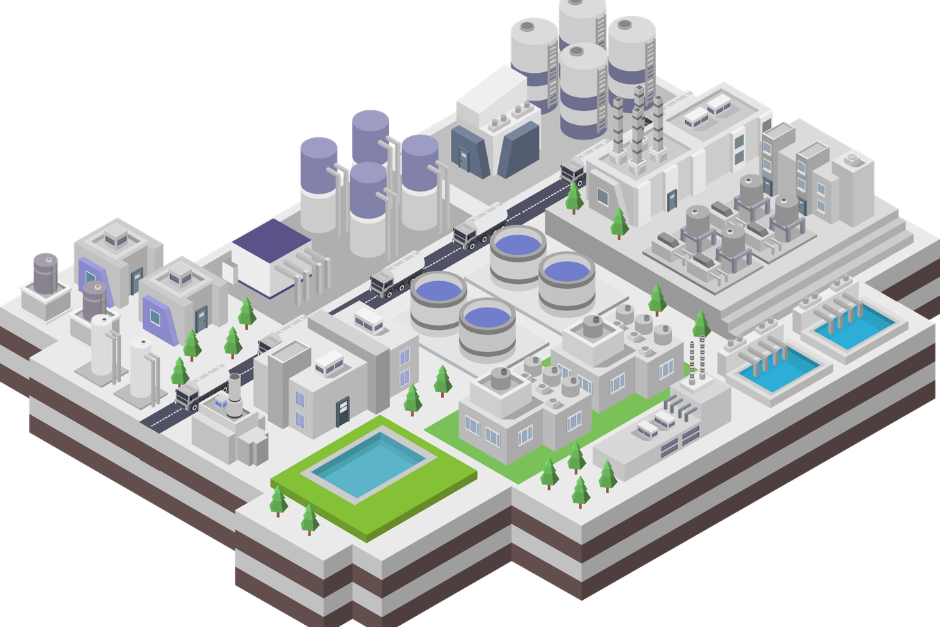
A wastewater treatment plant is not a single unit process. It is a sequence of barriers that reduce different risks. A conventional municipal treatment train includes preliminary treatment, primary clarification, secondary biological treatment, secondary clarification or membrane separation, nutrient removal when required, tertiary filtration or polishing, disinfection, sludge treatment, and effluent discharge or reuse. The exact configuration depends on regulations, site constraints, climate, energy costs, operator capacity, and receiving water sensitivity.
Preliminary Treatment
Preliminary treatment protects the rest of the plant. Screens remove rags, wipes, plastics, sticks, sanitary products, and other debris. Grit chambers remove sand, gravel, eggshells, coffee grounds, and dense inorganic particles. Grease removal may be needed where fats, oils, and grease are high. These steps do not produce final water quality, but poor preliminary treatment can damage pumps, clog valves, reduce basin volume, abrade equipment, and cause maintenance hazards.
Screen selection depends on bar spacing, expected debris, hydraulic capacity, cleaning method, screenings washing, odor control, and worker safety. Fine screens may reduce downstream solids and protect membrane systems, but they produce more screenings and headloss. Grit design is often underestimated. If grit is not removed efficiently, it accumulates in aeration basins, digesters, channels, and clarifiers, reducing effective volume and increasing wear.
Primary Treatment
Primary clarifiers use gravity to remove settleable solids and floating scum. They reduce TSS and BOD loads to the biological system, produce primary sludge for digestion, and stabilize downstream operation. Design criteria include surface overflow rate, detention time, weir loading, sludge collection, scum removal, inlet energy dissipation, and short-circuiting control.
Primary treatment can be beneficial or limiting depending on the plant goal. Removing too much particulate organic carbon can reduce the carbon available for denitrification and enhanced biological phosphorus removal. In carbon-limited nutrient removal plants, designers may bypass part of the primary flow, ferment primary sludge to produce volatile fatty acids, or modify process staging. In energy-focused plants, maximizing primary sludge capture can increase biogas production through anaerobic digestion.
Secondary Biological Treatment
Secondary treatment removes dissolved and colloidal biodegradable organic matter, and often ammonia. The most common municipal approach is activated sludge, where microorganisms grow as suspended flocs in aerated basins. The biomass consumes organic matter, nitrifies ammonia under aerobic conditions, and is separated from treated water in secondary clarifiers or membranes. A portion of settled biomass is returned to maintain the microbial population, while excess is wasted as sludge.
Activated sludge design depends on solids retention time, hydraulic retention time, mixed liquor suspended solids, food-to-microorganism ratio, dissolved oxygen, temperature, pH, alkalinity, sludge settleability, return activated sludge rate, wasting rate, and aeration capacity. Solids retention time is especially important. Shorter values may remove BOD but fail to retain slow-growing nitrifying bacteria. Longer values support nitrification and stable operation but increase aeration demand and may affect sludge characteristics.
Other secondary treatment options include trickling filters, rotating biological contactors, sequencing batch reactors, oxidation ditches, moving bed biofilm reactors, integrated fixed-film activated sludge, lagoon systems, and membrane bioreactors. Each technology has a distinct balance of footprint, energy use, operator intensity, effluent quality, cold-weather performance, capital cost, and resilience.
Major Wastewater Treatment Plant Design Options
Process selection should fit the problem rather than follow fashion. A small rural community with abundant land may need a simple, low-energy lagoon system. A dense coastal city with strict nitrogen limits may need advanced biological nutrient removal and deep-bed filtration. A water reuse facility may need membrane filtration, advanced oxidation, and granular activated carbon. A food-processing town may need strong pretreatment controls and high-rate anaerobic treatment.
| Process or technology | Main design purpose | Strengths | Key design concerns |
|---|---|---|---|
| Conventional activated sludge | BOD removal and nitrification | Well understood, flexible, widely supported | Energy for aeration, sludge settling, process control |
| Sequencing batch reactor | Time-based biological treatment in one basin | Compact, flexible cycles, good for variable flows | Control complexity, decanting reliability, equalization needs |
| Oxidation ditch | Extended aeration and nutrient removal | Stable, robust, suitable for smaller communities | Large footprint, aeration energy, cold-weather sizing |
| Membrane bioreactor | Biological treatment with membrane solids separation | High-quality effluent, small footprint, excellent TSS removal | Membrane fouling, energy, cleaning chemicals, operator skill |
| Moving bed biofilm reactor | Biofilm-based BOD removal or nitrification | Compact, resilient biomass retention, retrofit friendly | Media retention, oxygen transfer, biofilm control |
| Biological nutrient removal | Nitrogen and phosphorus reduction | Lower chemical use, protects sensitive waters | Carbon balance, recycle rates, anoxic and anaerobic zoning |
| Tertiary filtration | Polishing of solids and particle-associated pollutants | Improves disinfection and effluent clarity | Backwash handling, headloss, media selection |
| UV disinfection | Pathogen inactivation without chemical residual | No chlorinated residual, rapid treatment | UV transmittance, lamp fouling, power reliability |
This table is only a starting point. Real selection requires pilot testing, life-cycle costing, operator consultation, land evaluation, residuals planning, and regulatory review. Process compatibility also matters. A membrane bioreactor may produce excellent effluent, but it may not solve a toxic industrial discharge. UV disinfection may be effective, but upstream solids control and UV transmittance are essential. Chemical phosphorus removal may be reliable, but it increases sludge production and can affect alkalinity and downstream handling.
Hydraulic Design and Plant Layout
Hydraulic design determines whether water can move through the plant under all expected conditions without flooding, excessive headloss, short-circuiting, or uncontrolled bypass. It is sometimes less visible than biological design, but hydraulic failure can defeat every treatment objective. Channels, pipes, weirs, gates, pumps, valves, flow splitters, and outfalls must be sized for peak conditions, maintenance outages, and emergency operation.
Gravity flow is preferred where site topography allows, because it reduces pumping energy and mechanical dependency. Many plants still require influent pumping, intermediate pumping, return sludge pumping, chemical feed pumping, backwash pumping, or effluent pumping. Pump stations require redundancy, wet well design, odor control, screening protection, variable frequency drives, surge control, access, and backup power. Poor pump selection can cause ragging, inefficient operation, cavitation, excessive cycling, or inadequate wet-weather capacity.
Flow splitting is a frequent source of hidden performance problems. If parallel basins do not receive equal flow and solids, one train may be overloaded while another is underused. Unequal distribution can reduce clarifier performance, destabilize biological treatment, and complicate sampling. Designers use splitter boxes, adjustable gates, hydraulic modeling, and instrumentation to maintain balanced distribution.
Plant layout affects safety and operations. Operators need clear access to equipment, cranes or hoists for heavy components, safe walkways, confined-space controls, chemical unloading areas, drainage, lighting, ventilation, and logical pipe routing. Odor-producing facilities should be positioned and covered with prevailing winds and nearby receptors in mind. Flood-prone components should be elevated or protected. Electrical rooms, controls, blowers, and chemical storage need special resilience planning.
Biological Nutrient Removal: Nitrogen and Phosphorus
Nutrient removal is one of the most scientifically demanding parts of wastewater treatment plant design. Excess nitrogen and phosphorus can stimulate algal blooms, cyanotoxin risk, hypoxia, fish kills, habitat shifts, and downstream drinking water treatment challenges. Many permits now require low ammonia, total nitrogen, or total phosphorus, especially where effluent enters lakes, estuaries, reservoirs, or impaired waters.
Nitrogen Removal
Municipal wastewater nitrogen is commonly present as organic nitrogen and ammonia. During treatment, organic nitrogen is converted to ammonia. Nitrifying bacteria and archaea oxidize ammonia to nitrite and nitrate under aerobic conditions. Denitrifying microorganisms then reduce nitrate to nitrogen gas under anoxic conditions when nitrate is present but dissolved oxygen is low and biodegradable carbon is available.
Designers must provide enough aerobic solids retention time for nitrifiers, especially in cold water where growth is slower. They must also provide anoxic volume and carbon for denitrification. Internal recycle streams move nitrate-rich mixed liquor from aerobic zones to anoxic zones. Return activated sludge brings biomass back to the system. Step-feed arrangements can distribute influent carbon along the basin. Intermittent aeration can create alternating aerobic and anoxic conditions in the same reactor.
Nitrification consumes alkalinity and can depress pH. If alkalinity is low, ammonia removal may become unstable unless supplemental alkalinity is added. Denitrification recovers part of the alkalinity but only if nitrate is reduced. Dissolved oxygen control is also critical. Too little oxygen can limit nitrification; too much oxygen entering anoxic zones can suppress denitrification and waste energy.
Phosphorus Removal
Phosphorus can be removed chemically, biologically, or through a combined approach. Chemical phosphorus removal uses metal salts such as alum, ferric chloride, ferric sulfate, or lime to form insoluble precipitates that are removed with sludge. It is reliable and relatively simple, but increases chemical cost and sludge production. It can also influence pH, alkalinity, and solids handling.
Enhanced biological phosphorus removal relies on phosphorus accumulating organisms. These organisms release phosphorus under anaerobic conditions while taking up volatile fatty acids, then take up excess phosphorus under aerobic or anoxic conditions. Wasting the phosphorus-rich biomass removes phosphorus from the system. This process requires proper anaerobic zoning, sufficient readily biodegradable carbon, controlled nitrate return to anaerobic zones, and stable sludge wasting.
Low effluent phosphorus targets may require tertiary filtration, chemical polishing, ballasted flocculation, membrane systems, or adsorption media. The stricter the target, the more important sampling accuracy becomes. At very low concentrations, contamination of sample bottles, unfiltered particles, and analytical variability can influence reported compliance.
Disinfection, Reuse, and Protection of Downstream Water Safety
Disinfection reduces infectious risk before effluent is discharged or reused. Common methods include chlorine, chloramines, ultraviolet light, ozone, and advanced oxidation combinations. The right method depends on pathogen targets, effluent quality, contact time, residual requirements, by-product concerns, worker safety, and receiving water ecology.
Chlorination is widely used because it is familiar, effective against many bacteria and viruses, and can provide a residual where needed. Design must account for chlorine demand, contact time, mixing, baffling, pH, temperature, ammonia, nitrite, organic matter, and dechlorination requirements. Discharging chlorinated residual to aquatic environments can be harmful, so sulfur-based dechlorination is often used before outfall discharge.
UV disinfection inactivates microorganisms by damaging nucleic acids. It does not add chemical residual and avoids chlorinated disinfection by-products. Its performance depends on UV dose, lamp intensity, sleeve fouling, water depth, flow distribution, UV transmittance, and suspended particles. Poor upstream solids removal can shield microorganisms from UV exposure.
Water reuse raises the design standard. Non-potable reuse for irrigation, industrial cooling, street cleaning, or toilet flushing may require filtration and disinfection. Indirect or direct potable reuse requires a much higher level of treatment and verification, often including microfiltration or ultrafiltration, reverse osmosis, advanced oxidation, activated carbon, engineered storage, and intensive monitoring. Readers comparing household and engineered treatment barriers can also review PureWaterAtlas resources on Water Treatment Systems.
Effluent quality also matters at regional scale. The UN-Water framework connects wastewater management to water security, sanitation, ecosystem health, and sustainable development. In many watersheds, wastewater effluent is a substantial part of river flow during dry seasons. Good design can therefore improve both local compliance and broader Global Water Quality.
Solids, Sludge, and Biosolids Design
Wastewater treatment transfers many contaminants from water into solids. Sludge management is not a side issue; it is a central design component. Primary sludge, waste activated sludge, chemical sludge, scum, screenings, grit, and backwash solids must be handled safely. Poor solids design can cause odors, greenhouse gas emissions, pathogen exposure, hauling problems, permit violations, and high operating costs.
Sludge treatment may include thickening, stabilization, digestion, dewatering, drying, composting, thermal processing, alkaline stabilization, or off-site treatment. Anaerobic digestion is common at medium and large facilities because it stabilizes organic solids, reduces volatile solids, produces biogas, and can support combined heat and power. Aerobic digestion is simpler but consumes energy and may be less favorable for larger plants. Dewatering technologies include centrifuges, belt filter presses, screw presses, drying beds, and geotextile systems.
Biosolids reuse requires careful control of pathogens, vector attraction, metals, organic contaminants, odor, and public acceptance. Land application can recycle nutrients and organic matter, but it must be matched to soil conditions, crop needs, setback requirements, runoff prevention, and contaminant limits. Where industrial inputs are significant, source control becomes essential. A plant cannot reliably make high-quality biosolids if toxic or persistent pollutants enter the sewer unchecked.
Newer concerns include PFAS in biosolids, microplastics, antibiotic resistance, and trace organic chemicals. Regulations are evolving. Designers should consider flexibility for future residuals restrictions, including additional treatment, segregated industrial pretreatment, thermal destruction, or alternative disposal routes. The sludge line should not be designed only for current minimum requirements if future compliance risk is foreseeable.
Energy, Carbon, and Resource Recovery
Wastewater plants are major energy users, especially because aeration can consume a large share of total electricity. Design choices strongly influence long-term energy demand. Fine-bubble diffusers, efficient blowers, ammonia-based aeration control, dissolved oxygen optimization, low-head hydraulics, efficient pumping, and right-sized equipment can reduce operating cost and emissions. Energy efficiency is not only an environmental preference; it affects affordability and resilience.
Wastewater also contains recoverable resources. Organic carbon can be converted to biogas. Nitrogen and phosphorus can be recovered in selected forms, such as struvite, under favorable conditions. Heat can be recovered from wastewater. Treated effluent can substitute for freshwater in appropriate uses. These opportunities depend on plant scale, energy prices, nutrient markets, regulatory acceptance, and operational complexity.
Resource recovery should be evaluated with mass balances. Capturing more primary solids may increase biogas but reduce carbon available for denitrification. Struvite recovery may reduce scaling and recycle phosphorus loads, but requires chemical control and market planning. Advanced treatment for reuse can reduce freshwater demand but increase energy use and concentrate disposal needs. The best design is not always the one with the most technology; it is the one that meets health and environmental goals with durable life-cycle performance.
Instrumentation, Monitoring, and Process Control
Modern wastewater treatment plant design increasingly depends on instrumentation and control. Sensors can measure flow, dissolved oxygen, oxidation-reduction potential, pH, temperature, ammonia, nitrate, phosphate, turbidity, suspended solids, sludge blanket level, UV intensity, chlorine residual, conductivity, and biogas composition. Supervisory control and data acquisition systems allow operators to track trends, alarms, equipment status, and compliance data.
Good instrumentation improves stability, but sensors require maintenance, calibration, cleaning, validation, and operator trust. A poorly maintained sensor can create false confidence or trigger incorrect control actions. Designers should provide sample points, safe access, redundancy for critical measurements, and realistic maintenance plans. Laboratory testing remains essential for permit compliance, troubleshooting, and calibration of online instruments. For drinking water and household sampling concepts, see the PureWaterAtlas Water Testing Guide.
Process control can be simple or advanced. Timer-based aeration may suit a small lagoon or batch reactor. Ammonia-based aeration control can reduce energy and improve nitrification stability in activated sludge plants. Sludge wasting control can maintain target solids retention time. Chemical feed systems can use flow pacing, feedback control, or feed-forward control based on phosphate or alkalinity. Advanced plants may use predictive control, digital twins, or machine learning, but these tools should support rather than replace sound process understanding.
Cybersecurity is now part of infrastructure design. Remote access, networked sensors, programmable logic controllers, and cloud-based analytics can improve performance, but they also create vulnerability. Secure architecture, user access control, backups, manual override capability, and incident response planning are practical necessities.
Reliability, Redundancy, and Resilience
Wastewater treatment plants must operate continuously. People do not stop using water during storms, holidays, equipment failures, or heat waves. Reliability is therefore designed into the plant through redundancy, standby power, parallel treatment trains, bypass control, spare parts, maintenance access, and emergency procedures.
Critical equipment is commonly designed with N plus one redundancy, meaning the plant can meet requirements with one unit out of service. Examples include influent pumps, blowers, chemical feed pumps, disinfection units, return sludge pumps, and dewatering equipment. Not every component needs the same redundancy, but failure consequences must be understood. If one blower failure causes loss of nitrification, the plant may violate ammonia limits and harm aquatic life. If a screenings washer fails, operators may still manage temporarily with manual handling, though with increased labor and safety concerns.
Physical resilience includes flood protection, seismic design where relevant, wind loading, freeze protection, wildfire smoke considerations, heat management, corrosion resistance, and secure chemical storage. Electrical resilience includes backup generators, fuel storage, transfer switches, surge protection, and prioritization of loads. Operational resilience includes staffing plans, mutual aid, spare inventory, supplier relationships, and training.
The EPA drinking water resources focus largely on drinking water systems, but the same public health logic applies across the water cycle: multiple barriers, monitoring, emergency preparedness, and source protection reduce risk. Wastewater plant resilience is part of community water safety, not merely an environmental compliance issue.
Regulatory and Receiving Water Context
Wastewater treatment plant design is shaped by the receiving environment. A plant discharging to a fast-flowing river with high dilution may have different limits than one discharging to a small stream, reservoir, shellfish area, bathing beach, groundwater recharge zone, or nutrient-impaired estuary. Regulators may set limits for BOD, TSS, ammonia, total nitrogen, total phosphorus, pH, dissolved oxygen impact, bacteria indicators, toxicity, chlorine residual, metals, temperature, and priority pollutants.
Designers use water quality modeling to estimate how effluent affects dissolved oxygen, nutrient response, algae, ammonia toxicity, temperature, and pathogen indicators. Mixing zones, low-flow conditions, seasonal limits, and sensitive species may influence permit requirements. In some cases, total maximum daily load allocations restrict nutrient or pollutant discharge across an entire watershed.
Industrial pretreatment is part of the regulatory context. Industries may need to remove toxic metals, solvents, high-strength organics, fats, oils, grease, sulfide, cyanide, extreme pH, or inhibitory chemicals before discharge to the municipal sewer. Without pretreatment, a single industrial source can upset biological treatment, contaminate sludge, create dangerous gases, or cause permit violations.
Design should anticipate regulatory tightening. Many older plants were built for BOD and TSS removal, then later required nitrification, nutrient removal, filtration, or reuse quality. Future expectations may include tighter nutrient limits, greenhouse gas accounting, PFAS controls, antibiotic resistance surveillance, microplastic reduction, and energy performance. Flexible hydraulic profiles, available land, modular basins, and adaptable control systems can reduce the cost of future upgrades.
Design Workflow: From Concept to Commissioning
A rigorous wastewater treatment plant design follows a staged workflow. The details vary by country and procurement model, but the scientific logic is similar. Each stage should reduce uncertainty, refine costs, and improve confidence that the plant can be built, permitted, operated, and maintained.
| Design stage | Main questions | Typical outputs |
|---|---|---|
| Planning and needs assessment | What problem must be solved, and what future conditions matter? | Service area forecast, regulatory review, receiving water goals, project drivers |
| Influent and site characterization | What flows, loads, soils, flood risks, and constraints define the project? | Sampling data, hydraulic records, geotechnical reports, industrial inventory |
| Process alternatives analysis | Which treatment trains can meet the goals? | Technology screening, life-cycle cost comparison, energy and staffing estimates |
| Preliminary design | How large are the major units, and how will the plant fit the site? | Basis of design, layout, hydraulic profile, mass balance, cost estimate |
| Detailed design | How will every component be built, powered, controlled, and maintained? | Drawings, specifications, control narratives, equipment schedules, permits |
| Construction and commissioning | Does the built plant perform as intended? | Startup plans, operator training, performance testing, as-built documentation |
| Optimization and asset management | How can performance be sustained over decades? | Monitoring plans, maintenance schedules, renewal strategy, process optimization |
Commissioning deserves special attention. Biological systems need time to develop stable microbial communities. Operators need training on equipment, alarms, laboratory methods, safety systems, and process control. Start-up plans should address seeding, gradual loading, temporary chemical use, seasonal constraints, and fallback modes. A plant is not truly complete when construction ends; it is complete when it can be operated reliably by the people responsible for it.
Common Design Failures and How to Avoid Them
Many wastewater plant problems are not caused by mysterious science. They arise from predictable design and planning mistakes. One common failure is underestimating peak wet-weather flow. The plant may meet average conditions but lose solids during storms. Another is designing biological nutrient removal without enough carbon or alkalinity. The result is unstable nitrogen removal, high chemical use, or failure to meet nutrient limits.
Undersized solids handling is another frequent weakness. If digesters, thickeners, dewatering equipment, or hauling capacity cannot keep pace, solids back up into the liquid train and degrade effluent quality. Poor access for maintenance can turn routine repairs into shutdowns. Inadequate odor control can damage public trust even when effluent quality is acceptable. Overly complex technology can fail if staffing, spare parts, or technical support are insufficient.
Avoiding these failures requires conservative data interpretation, operator involvement, pilot testing where uncertainty is high, realistic life-cycle costing, and attention to maintainability. Engineers should design for the full operating envelope, not only the average day. Communities should ask whether they can afford the electricity, chemicals, laboratory work, membranes, sludge hauling, instrumentation maintenance, and skilled staffing required by the selected process.
The best wastewater treatment plant design is usually not the cheapest bid or the most sophisticated flow diagram. It is the design that meets water safety and environmental goals consistently, can be understood by operators, can be maintained with available resources, and can adapt as conditions change. Within the broader Wastewater Treatment field, this practical reliability is where engineering and public health meet.
What Households and Local Decision-Makers Should Understand
Most people never see the wastewater plant that serves them, yet household behavior affects treatment performance. Wipes, grease, medicines, solvents, paints, pesticides, and harsh chemicals can damage sewers, clog pumps, inhibit biological treatment, or contaminate sludge. Flushing fewer inappropriate materials is a direct contribution to water safety. Pharmaceutical take-back programs, grease disposal practices, and reduced use of toxic household chemicals help protect both treatment workers and receiving waters.
Local decision-makers should understand that wastewater infrastructure is a long-lived public health asset. Deferring maintenance may reduce budgets temporarily but increases risk of failures, sewer overflows, emergency repairs, and environmental damage. Investments in sewer rehabilitation, inflow reduction, laboratory capacity, operator training, and asset management can be as important as new tanks. Treatment plant design should be discussed in terms of watershed protection, climate resilience, public health, affordability, and intergenerational responsibility.
For households served by septic systems, the same principles apply at a smaller scale: wastewater needs adequate retention, biological treatment, soil treatment, and maintenance. Poorly maintained septic systems can release nutrients and pathogens to groundwater or nearby surface water. Centralized and decentralized systems differ in scale, but both depend on matching design to site conditions and maintaining treatment barriers.
FAQ
What is the most important factor in wastewater treatment plant design?
The most important factor is a reliable basis of design: accurate flows, pollutant loads, regulatory requirements, receiving water conditions, and future growth assumptions. Technology selection comes after these are understood. A plant designed from weak influent data may be unable to meet limits or may cost far more than necessary to operate.
How is the size of a wastewater treatment plant determined?
Plant size is determined by hydraulic flow and pollutant loading. Engineers evaluate average daily flow, peak hourly flow, maximum month flow, wet-weather flow, and minimum flow. They also calculate mass loads for BOD, TSS, nitrogen, phosphorus, and other constituents. Different units are sized by different criteria; for example, clarifiers are strongly influenced by surface overflow rate, while aeration basins are influenced by biological load and solids retention time.
Why do some wastewater plants remove nitrogen and phosphorus?
Nitrogen and phosphorus are nutrients that can cause algal blooms, oxygen depletion, ecological damage, and drinking water treatment challenges when discharged in excess. Plants discharging to sensitive rivers, lakes, reservoirs, or estuaries may need biological nutrient removal, chemical phosphorus removal, tertiary filtration, or advanced polishing to meet protective limits.
Is treated wastewater safe to drink?
Conventional treated wastewater is generally designed for environmental discharge, not direct drinking. Potable reuse requires additional advanced treatment barriers, intensive monitoring, and regulatory approval. These may include membrane filtration, reverse osmosis, advanced oxidation, activated carbon, disinfection, and engineered storage. Safety depends on the full treatment train, monitoring, and risk management system.
What is the difference between primary, secondary, and tertiary treatment?
Primary treatment removes settleable solids and floating material mainly by gravity. Secondary treatment uses biological processes to remove dissolved and colloidal biodegradable organic matter and often ammonia. Tertiary treatment provides additional polishing, such as filtration, nutrient removal, activated carbon, membrane treatment, or enhanced disinfection, depending on the effluent goal.
Why does wastewater treatment use so much energy?
Aeration for biological treatment is often the largest energy demand because microorganisms need oxygen to oxidize organic matter and ammonia. Pumping, mixing, solids handling, disinfection, and advanced treatment can also use significant energy. Efficient blowers, optimized dissolved oxygen control, gravity hydraulics, and energy recovery from biogas can reduce demand.
Can a wastewater plant be designed to handle climate change?
Yes, but it requires deliberate planning. Designers can evaluate more intense rainfall, flooding, drought-related concentration of wastewater, higher temperatures, sea level rise, power interruptions, and changing receiving water conditions. Resilience measures include elevated electrical systems, wet-weather capacity, backup power, modular expansion, flexible biological processes, and sewer infiltration reduction.
What makes a wastewater treatment plant design sustainable?
A sustainable design protects public health and receiving waters while remaining affordable and operable over decades. It uses energy and chemicals efficiently, manages sludge responsibly, supports resource recovery where practical, reduces greenhouse gas emissions, and includes resilience for future conditions. Sustainability also depends on trained operators, preventive maintenance, and strong source control.
Conclusion
Wastewater treatment plant design is a public health discipline expressed through engineering. Its success depends on understanding variable influent, selecting compatible treatment barriers, designing robust hydraulics, supporting stable microbiology, removing nutrients where needed, disinfecting effectively, managing sludge safely, and preparing for future stress. No single technology guarantees success. Performance comes from the fit between science, regulation, site conditions, operations, and community resources.
When designed well, a wastewater treatment plant does more than meet a discharge permit. It reduces disease risk, protects aquatic ecosystems, supports downstream drinking water supplies, enables safe reuse, recovers resources, and strengthens community resilience. The scientific details are complex, but the central purpose is clear: wastewater must be treated as part of the same water cycle that communities rely on for health, food, ecosystems, and safe drinking water.