Introduction
Safe drinking water is one of the most important foundations of public health. Every day, people depend on water for hydration, cooking, hygiene, food preparation, and medical uses, yet many consumers rarely think about what makes water “safe” in the first place. The concept of drinking water safety standards causes and sources brings together two essential ideas: the rules used to define acceptable water quality, and the many ways contaminants can enter a water supply before it reaches the tap.
Water safety standards exist because water can carry a wide range of hazards. These hazards include microorganisms such as bacteria, viruses, and parasites; chemical contaminants such as lead, arsenic, pesticides, and industrial solvents; and physical issues such as sediment, corrosion byproducts, and treatment failures. Some contaminants arise from natural geology, while others come from human activities, aging infrastructure, agricultural runoff, industrial discharge, household plumbing, or poor storage and handling practices.
Understanding these causes and sources is essential for consumers, homeowners, building managers, public health professionals, and policy makers. It helps explain why a water source that appears clear can still be unsafe, why regular monitoring matters, and why treatment systems must be selected based on actual risks rather than assumptions. It also helps households recognize the difference between source-water contamination, treatment-plant performance issues, and contamination that happens inside the home or building.
This article explains how drinking water safety standards work, what contaminants they are designed to control, where those contaminants commonly come from, how risks are detected, and what steps can reduce exposure. Readers looking for broader background can explore drinking water safety resources, while those seeking a comprehensive overview of legal and practical benchmarks may also find this complete guide to water safety standards useful.
What It Is
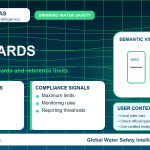
Drinking water safety standards are the benchmarks, limits, monitoring requirements, and treatment expectations used to determine whether water is acceptable for human consumption. These standards are usually established by national governments, public health agencies, environmental regulators, and international organizations. They are designed to reduce the likelihood that people will become ill or experience long-term health effects from contaminants in water.
In practical terms, these standards often specify:
- Maximum allowable levels for microbial contaminants
- Maximum contaminant levels for chemicals such as heavy metals, nitrates, and disinfection byproducts
- Action levels that trigger corrective measures, especially for plumbing-related contaminants like lead
- Treatment technique requirements when direct measurement is difficult or risk must be controlled through process management
- Sampling frequency, testing protocols, reporting obligations, and public notification rules
The purpose of these standards is not simply to create regulatory paperwork. They are meant to translate scientific evidence into operational safeguards. For example, regulators study toxicology, epidemiology, engineering feasibility, and exposure patterns to determine what concentration of a contaminant is considered unsafe, what treatment methods can reduce it, and how often water systems must test for it.
One important feature of water safety standards is that they account for both acute and chronic risks. Acute risks can cause illness quickly, as with pathogenic bacteria or viruses that trigger gastrointestinal disease. Chronic risks may develop after months or years of exposure, as with arsenic, lead, or certain industrial chemicals linked to cancer, neurological damage, reproductive harm, or developmental effects.
Another key point is that standards apply at different points in the water system. Some relate to the quality of source water in rivers, lakes, aquifers, and reservoirs. Others focus on the water after treatment, within the distribution network, or at the consumer’s tap. This matters because contamination can be introduced or worsened after treatment, especially through corroded pipes, stagnant water, biofilm growth, or cross-connections.
When discussing drinking water safety standards common sources, it is helpful to remember that “safe water” is not defined by taste, smell, or appearance alone. Water can look clean and still contain harmful levels of pathogens or chemicals. Conversely, water with an unusual taste or odor may not always exceed health-based limits, though aesthetic problems can still indicate treatment or infrastructure issues that deserve attention.
In short, drinking water safety standards are a framework for preventing exposure, identifying hazards, and guiding treatment and oversight. They provide the scientific and regulatory basis for protecting public health from both visible and invisible threats.
Main Causes or Sources
The causes and sources of drinking water contamination are diverse. Some are natural, some are industrial, some are agricultural, and some originate inside the home. Understanding these pathways is central to evaluating drinking water safety standards risk factors and making informed decisions about testing and treatment.
Natural Geological Sources
Many harmful substances occur naturally in soil and rock. As water moves through underground formations, it can dissolve minerals and carry them into wells and aquifers. Common examples include arsenic, fluoride, manganese, iron, uranium, and radon. In some regions, these substances are present at levels that exceed health-based recommendations even when there is no nearby industrial activity.
Natural contamination can be difficult to detect without laboratory testing because it may not change the water’s appearance. Private well users are particularly vulnerable because they may assume that groundwater is naturally pure. In reality, geology can be a major source of long-term exposure.
Agricultural Runoff
Agriculture is one of the most important nonpoint sources of drinking water contamination. Rainfall and irrigation can wash fertilizers, manure, pesticides, herbicides, and sediment into streams, lakes, and recharge zones for groundwater. Nitrates are a well-known example, especially in farming regions with heavy fertilizer use or concentrated animal feeding operations.
Microbial contamination can also occur when animal waste enters water sources. This may introduce pathogens such as E. coli, Cryptosporidium, Giardia, and Salmonella. Nutrient runoff can trigger algal blooms, including harmful cyanobacterial blooms that release toxins into surface waters used for drinking water supplies.
Industrial and Commercial Activities
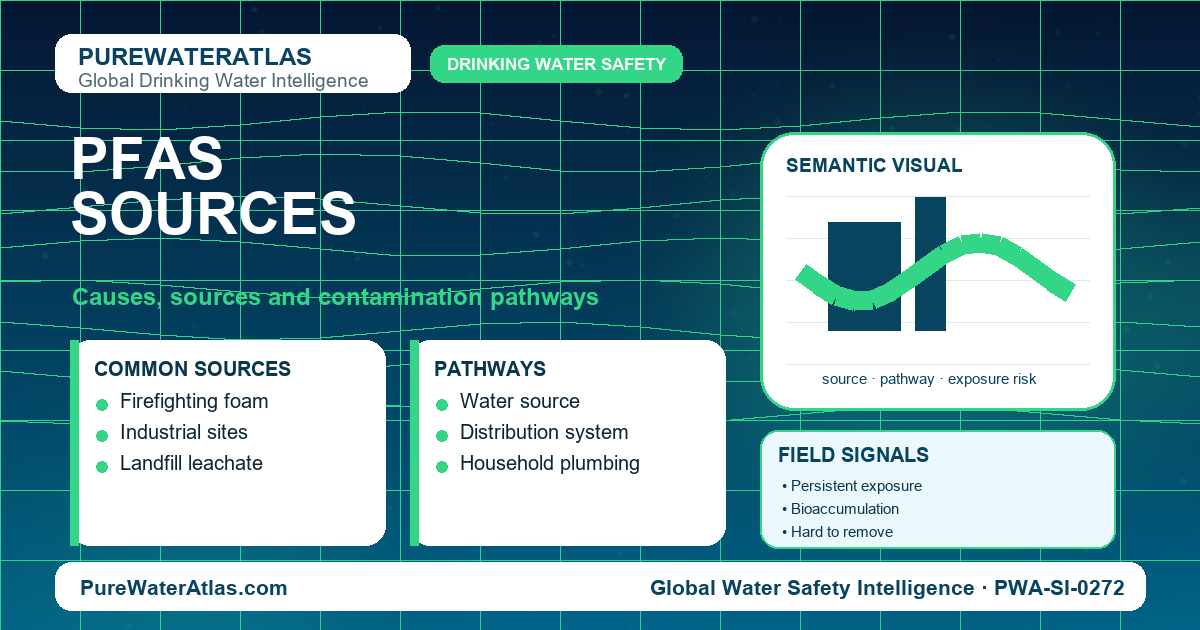
Industrial facilities can contaminate source water through permitted discharges, accidental spills, improper waste handling, leaks from storage tanks, or historical pollution that persists in soil and groundwater. Potential contaminants include solvents, petroleum compounds, heavy metals, per- and polyfluoroalkyl substances (PFAS), polychlorinated biphenyls (PCBs), and other synthetic chemicals.
Even after a pollution source is removed, contaminated groundwater plumes can remain for years or decades. This means current water quality may reflect contamination from past land uses such as dry cleaning operations, metal plating facilities, military sites, landfills, or manufacturing plants.
Wastewater and Sewage
Untreated or poorly treated sewage is a major source of microbial risk. Leaking sewer lines, septic system failures, wastewater overflows, and storm-related discharges can allow pathogens, nutrients, and pharmaceuticals to enter source water. In communities with aging infrastructure, infiltration and inflow problems can increase the chance that fecal contamination reaches rivers or shallow groundwater.
This source is especially concerning after floods, hurricanes, or heavy rainfall, when treatment systems may be overwhelmed and contamination pathways expand. For households using private wells, nearby failing septic systems can be a direct source of bacterial and nitrate contamination.
Distribution System and Infrastructure Problems
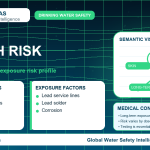
Water that leaves a treatment plant in compliance with standards can become contaminated during distribution. Aging pipes, biofilm development, pressure loss, storage tank issues, and cross-connections can all create risks. Corrosion is one of the most significant infrastructure-related problems because it can cause lead, copper, iron, and other metals to leach into drinking water.
Lead service lines and older household plumbing remain a major public health concern. Changes in water chemistry, such as altered pH or inadequate corrosion control treatment, can suddenly increase metal release. This is one reason tap water quality cannot always be inferred from treatment plant performance alone.
Household Plumbing and Point-of-Use Sources
Drinking water safety standards household exposure often depends on what happens inside the building. Water can stagnate overnight or during periods of low use, increasing contact time with pipes, solder, fixtures, and storage tanks. This can raise levels of lead, copper, nickel, and other plumbing-related contaminants.
Home water heaters, faucet aerators, refrigerator lines, humidifiers, and poorly maintained filters can also harbor microbial growth. In some cases, contamination results not from the municipal supply but from the building’s own materials or maintenance deficiencies. Private wells introduce additional concerns, including inadequate well construction, poor sealing, shallow siting, and lack of routine disinfection or testing.
Stormwater, Flooding, and Climate-Related Events
Extreme weather can worsen contamination. Heavy rain can mobilize sediment, manure, chemicals, and pathogens into water bodies. Flooding can submerge wellheads, damage treatment facilities, overwhelm wastewater systems, and increase turbidity in source water. Drought can also concentrate contaminants, reduce dilution, and alter water chemistry.
Climate pressures can therefore affect both raw water quality and treatment reliability. Water safety standards remain the same, but the challenge of meeting them can become more complex as weather variability increases.
Treatment Failures and Operational Errors
Sometimes contamination is not caused by the source alone but by failures in the treatment process. Inadequate disinfection, poor filtration performance, incorrect chemical dosing, equipment malfunction, insufficient operator oversight, or delayed corrective action can all allow contaminants to remain in finished water.
Operational problems may be temporary, but they can still lead to outbreaks or short-term exposure events. This is why compliance depends on both treatment design and day-to-day performance management.
Health and Safety Implications
The health effects of contaminated drinking water depend on the type of contaminant, the concentration, the duration of exposure, and the vulnerability of the exposed person. Infants, young children, pregnant people, older adults, and individuals with weakened immune systems often face higher risks.
Microbial Risks
Microorganisms can cause rapid illness, sometimes within hours or days of exposure. Common symptoms include diarrhea, vomiting, fever, abdominal cramps, and dehydration. In more severe cases, waterborne infection can lead to kidney complications, neurological effects, or death, especially in medically vulnerable populations.
Pathogens of concern include bacteria such as E. coli and Legionella, viruses such as norovirus and hepatitis A, and parasites such as Giardia and Cryptosporidium. Legionella presents a special concern in building water systems because exposure may occur through inhalation of aerosolized water rather than drinking alone.
Chemical Risks
Chemical contaminants are often associated with long-term exposure rather than immediate symptoms. Lead can affect brain development and behavior in children and contribute to cardiovascular and kidney problems in adults. Arsenic is linked to skin lesions, cardiovascular disease, diabetes, and several forms of cancer. Nitrates can interfere with oxygen transport in infants, causing methemoglobinemia, sometimes called blue baby syndrome.
Other contaminants, including disinfection byproducts, pesticides, solvents, and PFAS, may be associated with reproductive effects, endocrine disruption, immune impacts, liver damage, or increased cancer risk depending on the chemical and the level of exposure.
Physical and Operational Safety Concerns
Not all water safety issues involve classic toxic contaminants. High turbidity can interfere with disinfection and signal treatment problems. Corrosion can damage infrastructure and increase metal release. Sediment can protect microbes and reduce filter performance. Inconsistent pressure can allow contaminants to enter through leaks or cross-connections.
These issues may not always cause direct toxicity by themselves, but they can increase the likelihood that standards will be exceeded or that treatment barriers will fail.
Cumulative and Combined Exposure
Water exposure does not happen in isolation. People may ingest contaminants through drinking, cooking, infant formula preparation, ice, beverages, and foods prepared with tap water. Some contaminants are also absorbed or inhaled during showering or indoor water use. Combined exposures from air, food, soil, and consumer products can add to the total body burden.
For a deeper review of outcomes associated with unsafe water, readers may consult health effects and risk information related to water safety standards.
Testing and Detection
Drinking water safety standards detection depends on systematic monitoring, proper sampling, and accurate laboratory analysis. Because many contaminants are invisible, odorless, and tasteless, testing is the only reliable way to determine whether water meets safety expectations.
Routine Utility Monitoring
Public water systems are generally required to test for regulated contaminants according to established schedules. The testing frequency depends on the contaminant, system size, source type, previous results, and regulatory framework. Utilities may monitor:
- Microbial indicators such as total coliform or E. coli
- Disinfectant residual levels
- Turbidity and treatment performance indicators
- Metals such as lead and copper
- Inorganic chemicals such as nitrate, arsenic, or fluoride
- Organic chemicals, pesticides, and industrial compounds
- Disinfection byproducts
- Radiological contaminants where relevant
Results are used to assess compliance, trigger corrective action, and inform consumers through public reporting.
Tap Testing and Household Sampling
Household testing is especially important when water passes through older plumbing, comes from a private well, or shows changes in taste, odor, color, or sediment. Samples may be collected as first-draw samples, flushed samples, or targeted samples depending on the contaminant of interest. For lead, first-draw samples often help identify contamination originating from plumbing materials.
Private well owners bear primary responsibility for testing because their water may not be monitored by a utility. Routine tests typically include bacteria, nitrates, pH, and region-specific contaminants such as arsenic, manganese, uranium, or pesticides.
Field Screening vs. Certified Laboratory Analysis
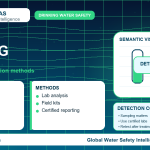
Some basic water characteristics can be checked with field kits or handheld meters, including pH, chlorine residual, hardness, conductivity, and in some cases nitrate or bacteria indicators. However, many health-relevant contaminants require certified laboratory analysis for reliable results. This includes metals, PFAS, volatile organic compounds, and many microbial tests.
Consumers should be cautious about relying solely on low-cost screening products for health decisions. A field result can suggest a problem, but compliance-related interpretation usually depends on validated methods and quality-controlled laboratory data.
When Testing Is Especially Important
- After flooding, storms, or nearby construction
- When moving into an older home
- When a baby will consume formula prepared with tap water
- When a well is newly installed, repaired, or has been unused
- When water changes in color, taste, odor, or clarity
- When plumbing replacement or utility treatment changes occur
- When there are local advisories or contamination reports
Readers seeking more practical detail can review testing and detection methods for drinking water safety standards.
Prevention and Treatment
Drinking water safety standards prevention depends on multiple protective barriers. No single strategy is enough on its own. Effective prevention starts at the source, continues through treatment and distribution, and extends into homes and buildings.
Source Water Protection
Protecting rivers, lakes, reservoirs, and aquifers reduces contamination before treatment is needed. Key strategies include watershed management, agricultural best practices, industrial discharge controls, spill prevention, septic system oversight, and land-use planning around sensitive recharge areas.
Source protection is often the most cost-effective long-term approach because it lowers treatment burdens and reduces the chance of contamination events.
Optimized Treatment Processes
Water treatment plants use physical, chemical, and biological processes to remove or control contaminants. Depending on the source and risk profile, treatment may include coagulation, flocculation, sedimentation, filtration, activated carbon adsorption, ion exchange, membrane systems, ultraviolet disinfection, ozonation, chlorination, or corrosion control.
The right treatment depends on the contaminant. For example:
- Pathogens are controlled through filtration and disinfection
- Lead is often addressed through corrosion control and plumbing replacement
- Nitrate may require ion exchange, reverse osmosis, or source blending
- Arsenic may be reduced with adsorption media, coagulation-filtration, or reverse osmosis
- PFAS may be treated with activated carbon, ion exchange, or high-pressure membranes
Distribution System Management
Utilities must maintain disinfectant residuals where appropriate, manage pressure, prevent backflow, inspect storage tanks, and replace deteriorating infrastructure. Corrosion control programs are especially important because they reduce the release of metals from pipes and fixtures.
Distribution system monitoring helps identify dead ends, stagnation zones, and areas of low disinfectant residual where microbial risks may increase.
Household Risk Reduction
At the home level, several measures can reduce drinking water safety standards household exposure:
- Test water periodically, especially for private wells and older plumbing
- Flush taps after water has been stagnant for several hours
- Use only cold water for drinking and cooking when lead is a concern
- Maintain water heaters, filters, and point-of-use devices according to manufacturer instructions
- Replace certified treatment cartridges on schedule
- Inspect wells, caps, seals, and surrounding drainage conditions
- Address plumbing corrosion and consider lead service line replacement where applicable
Point-of-Use and Point-of-Entry Treatment
Household treatment systems can be valuable when matched to a verified problem. Activated carbon may help with taste, odor, some organic chemicals, and certain PFAS. Reverse osmosis can reduce many dissolved contaminants, including nitrate, arsenic, and some metals. Ultraviolet systems can inactivate microorganisms when water is adequately pretreated. Water softeners address hardness but are not a general safety treatment for most contaminants.
The most important principle is contaminant-specific selection. A system should be chosen based on laboratory results, performance certification, maintenance requirements, and flow needs. More information on home solutions can be found in water purification resources and water treatment system guidance.
Common Misconceptions
Misunderstandings about water safety can lead to delayed action or misplaced confidence. Several misconceptions are especially common.
If Water Looks Clear, It Is Safe
Clear water may still contain bacteria, viruses, lead, arsenic, nitrates, or synthetic chemicals. Appearance alone is not a valid indicator of safety.
Bottled Water Is Always Safer Than Tap Water
Bottled water is not automatically safer in every situation. Safety depends on source quality, bottling practices, storage conditions, and oversight. In many areas, well-managed tap water meets stringent standards and is carefully monitored. Bottled water may be useful in emergencies or specific cases, but it is not a universal substitute for understanding local water quality.
Boiling Removes All Contaminants
Boiling is effective against many pathogens, but it does not remove metals, nitrates, PFAS, or many chemical contaminants. In some cases, boiling can slightly concentrate dissolved chemicals as water evaporates.
Any Filter Solves Any Water Problem
Different filters remove different contaminants. A basic pitcher filter may improve taste and reduce some substances, but it may not remove nitrate, arsenic, or microbes. Matching treatment to the contaminant is essential.
Municipal Compliance Means Every Tap Is Identical
Even if the utility meets standards, water can pick up contaminants within building plumbing. This is why fixture age, pipe materials, stagnation, and maintenance matter.
Private Wells Are Naturally Pure
Groundwater can contain both natural and human-caused contaminants. Wells require regular testing and maintenance because they are not inherently protected from risk.
Regulations and Standards
Water safety standards are shaped by public health science, risk assessment, engineering feasibility, and enforceability. Different countries use different legal frameworks, but the overall goals are similar: identify harmful contaminants, set acceptable limits or treatment requirements, monitor compliance, and communicate risks to the public.
Health-Based Limits and Action Levels
Standards may include legally enforceable contaminant limits as well as non-enforceable health goals. A health goal may represent a level at which no known or expected health effect occurs, while an enforceable limit may reflect what can reasonably be achieved using available treatment technology and operational controls.
Action levels are also common, especially for lead and copper. An action level does not mean water below that level is ideal in all cases; rather, it is a trigger for required system actions such as corrosion control review, public education, or pipe replacement.
Monitoring, Reporting, and Public Notification
Standards are meaningful only if systems are required to test regularly and disclose results. Public reporting allows consumers to understand local water quality, while notification rules are intended to ensure rapid communication when violations or acute health threats occur.
Regulations may also require sanitary surveys, operator certification, source water assessments, and emergency response planning. Together, these measures help move water safety from a reactive model to a preventive one.
Emerging Contaminants and Evolving Standards
Science does not stand still. As researchers learn more about contaminants such as PFAS, microplastics, cyanotoxins, pharmaceuticals, and antimicrobial resistance, standards and guidance may change. Emerging contaminants create a challenge because health evidence, analytical methods, and treatment technologies do not always advance at the same pace.
This is one reason consumers may hear that a contaminant is “unregulated” but still potentially concerning. Lack of a formal standard does not always mean lack of risk; it may reflect an evolving regulatory process.
Why Standards Need Local Interpretation
National standards provide a baseline, but local conditions still matter. Geology, climate, source type, infrastructure age, industrial history, and household plumbing all influence actual exposure. Effective protection therefore depends on combining regulatory compliance with local testing, infrastructure investment, and public education.
Conclusion
Understanding drinking water safety standards causes and sources is essential for making sense of how water becomes contaminated and how public health protections are designed. Safe drinking water depends on more than a treatment plant alone. It relies on protected source water, effective treatment, strong infrastructure, regular monitoring, sound regulations, and informed household practices.
The most common sources of contamination include natural minerals in groundwater, agricultural runoff, sewage and septic failures, industrial pollution, aging distribution systems, and household plumbing. These sources contribute to a broad range of risks, from immediate microbial illness to long-term chemical exposure. Because many contaminants are invisible and tasteless, testing remains the cornerstone of detection. Prevention requires a layered strategy that combines source protection, utility oversight, targeted treatment, and household awareness.
For consumers, the key message is practical: do not assume water is safe based only on appearance, and do not assume every issue can be solved with a generic filter. Instead, use reliable test results, pay attention to local advisories, understand plumbing-related risks, and choose prevention or treatment methods that match the actual contaminant. When these steps are paired with strong regulations and transparent reporting, communities are better equipped to reduce exposure and maintain trust in their drinking water supply.
Read the full guide: Drinking Water Safety Guide
Explore more in this category: Drinking Water Safety Articles