Introduction
Safe drinking water is one of the most important foundations of public health. In the United States, federal standards set by the Environmental Protection Agency are designed to reduce the risk of illness from contaminants in public water systems. When people search for information about epa drinking water rules health effects, they are often trying to understand a practical question: what happens when those standards are not met, and how can exposure affect the body in the short term and over time?
EPA drinking water rules establish limits, treatment requirements, monitoring practices, and reporting obligations for a wide range of contaminants. These include microorganisms such as bacteria and parasites, inorganic chemicals such as lead and arsenic, organic chemicals such as industrial solvents and pesticides, and byproducts formed during water treatment. The purpose of these rules is not merely administrative. They exist because contaminated water can contribute to acute disease, chronic medical problems, developmental concerns, and increased long-term risk for serious health conditions.
Understanding the health dimension of drinking water regulation requires looking beyond legal limits alone. A contaminant may have different effects depending on its concentration, how long exposure continues, the age and health status of the person affected, and whether multiple contaminants are present at the same time. Questions about epa drinking water rules symptoms, epa drinking water rules long term risks, epa drinking water rules vulnerable groups, epa drinking water rules exposure levels, and epa drinking water rules medical concerns all connect to this broader public health framework.
This article explains what EPA drinking water rules are meant to control, where regulated contaminants commonly come from, how they can affect health, how they are detected, and what prevention strategies are most effective. It also addresses common misunderstandings and places the rules in the larger context of environmental health and water safety. For broader background, readers may also find it useful to review this overview of drinking water safety and this complete guide to EPA drinking water rules.
What It Is
EPA drinking water rules are federal requirements developed primarily under the Safe Drinking Water Act. They are intended to protect people who receive water from public water systems by setting enforceable standards for contaminants that may pose health risks. These rules determine what water systems must monitor, what treatment methods they must use, how they must report violations, and when they must notify the public.
At the center of these standards are two related concepts:
- Maximum Contaminant Level Goals (MCLGs): Non-enforceable public health targets set at levels where no known or anticipated adverse health effects are expected, often including a margin of safety.
- Maximum Contaminant Levels (MCLs): Enforceable limits for contaminants in public drinking water, established as close to health goals as feasible given technology and cost considerations.
Some contaminants are regulated through treatment techniques rather than numerical limits. This is common when direct measurement is difficult or when control depends on managing a process. For example, rules for microbial pathogens may require specific filtration and disinfection practices rather than relying only on endpoint testing.
The phrase epa drinking water rules health effects refers to the medical and biological consequences associated with contaminants addressed by these regulations. Different contaminants affect the body in different ways:
- Microbial contaminants can cause gastrointestinal illness, dehydration, and serious infections.
- Heavy metals can interfere with neurological development, kidney function, and cardiovascular health.
- Nitrate contamination can reduce oxygen delivery in infants.
- Disinfection byproducts may be associated with increased cancer risk over long periods of exposure.
- Industrial chemicals and pesticides can affect the liver, nervous system, endocrine system, or reproductive health depending on the substance.
It is also important to understand that EPA rules generally apply to public water systems, not all private wells. Private well owners are usually responsible for testing and maintaining their own water quality. That distinction matters because people may assume all drinking water is regulated to the same degree when, in reality, monitoring and enforcement differ substantially depending on the source.
In practical terms, EPA drinking water rules represent a preventive public health system. They are designed not only to respond to visible contamination, but also to control hidden risks that may have no taste, odor, or color. Many regulated contaminants cannot be detected by the senses, which is why scientific testing and compliance monitoring are essential.
Main Causes or Sources
Contaminants covered by EPA drinking water rules come from many natural and human-made sources. Understanding these sources helps explain why violations occur and why some communities face higher risk than others. A more focused discussion is available in this guide to causes and sources and in the broader topic area of water contamination.
Microbial Sources
Bacteria, viruses, and parasites commonly enter water through fecal contamination. Sources may include sewage overflows, failing septic systems, animal waste runoff, flooding, or treatment failures. Organisms such as E. coli, Giardia, and Cryptosporidium are major concerns because they can survive in the environment and, in some cases, resist standard disinfection if treatment is inadequate.
Corrosion and Plumbing-Related Metals
Lead and copper often do not originate in the water source itself. Instead, they can enter water after treatment as water passes through service lines, household plumbing, fixtures, and solder. Corrosive water chemistry can cause these metals to leach from pipes into the water supply. This is why compliance with rules may involve corrosion control treatment in addition to source water protection.
Naturally Occurring Chemicals
Some contaminants are present because of local geology. Arsenic, uranium, radium, and other minerals can dissolve into groundwater from surrounding rock formations. These substances may be naturally occurring, but that does not make them harmless. Long-term ingestion can be associated with serious health effects, including cancer and organ toxicity.
Agricultural Runoff
Farming practices can introduce nitrate, nitrite, pesticides, herbicides, and microbial contaminants into surface water and groundwater. Fertilizers are a major source of nitrate contamination, especially in rural areas with shallow wells or vulnerable aquifers. Agricultural runoff may increase after rain events, irrigation, or improper manure management.
Industrial and Commercial Pollution
Manufacturing plants, chemical storage sites, mining operations, landfills, and dry-cleaning facilities can release hazardous substances into the environment. Solvents, volatile organic compounds, and certain metals may migrate into groundwater or nearby water sources. Even when contamination occurred years earlier, some pollutants can persist for long periods and remain a concern.
Disinfection Byproducts
Water treatment is essential for killing dangerous microbes, but the process can create secondary contaminants. When disinfectants such as chlorine react with natural organic matter in source water, they may form disinfection byproducts such as trihalomethanes and haloacetic acids. These compounds are regulated because long-term exposure at elevated levels may increase health risks.
Infrastructure Failures
Aging water systems, broken pipes, pressure loss, poorly maintained storage tanks, and inadequate treatment upgrades can all contribute to contamination events. Extreme weather, flooding, wildfire impacts, and power outages may also disrupt treatment and distribution, increasing the likelihood of exposure.
Health and Safety Implications
The most important reason drinking water rules exist is to reduce illness, disability, and premature death. The health implications of noncompliance depend on the contaminant, the dose, the duration, and the person exposed. This is where questions about epa drinking water rules symptoms, epa drinking water rules long term risks, and epa drinking water rules medical concerns become especially relevant.
Short-Term Symptoms and Acute Effects
Acute exposure often involves microbial contamination or a sudden chemical release. EPA drinking water rules symptoms linked to short-term exposure may include:
- Nausea and vomiting
- Diarrhea
- Abdominal cramps
- Fever
- Headache
- Fatigue
- Skin or eye irritation in some exposure scenarios
For healthy adults, some waterborne infections may resolve without lasting harm, but this is not always the case. Severe dehydration, bloodstream infection, kidney complications, and hospitalization can occur, particularly in infants, older adults, and people with weakened immune systems.
Neurological and Developmental Concerns
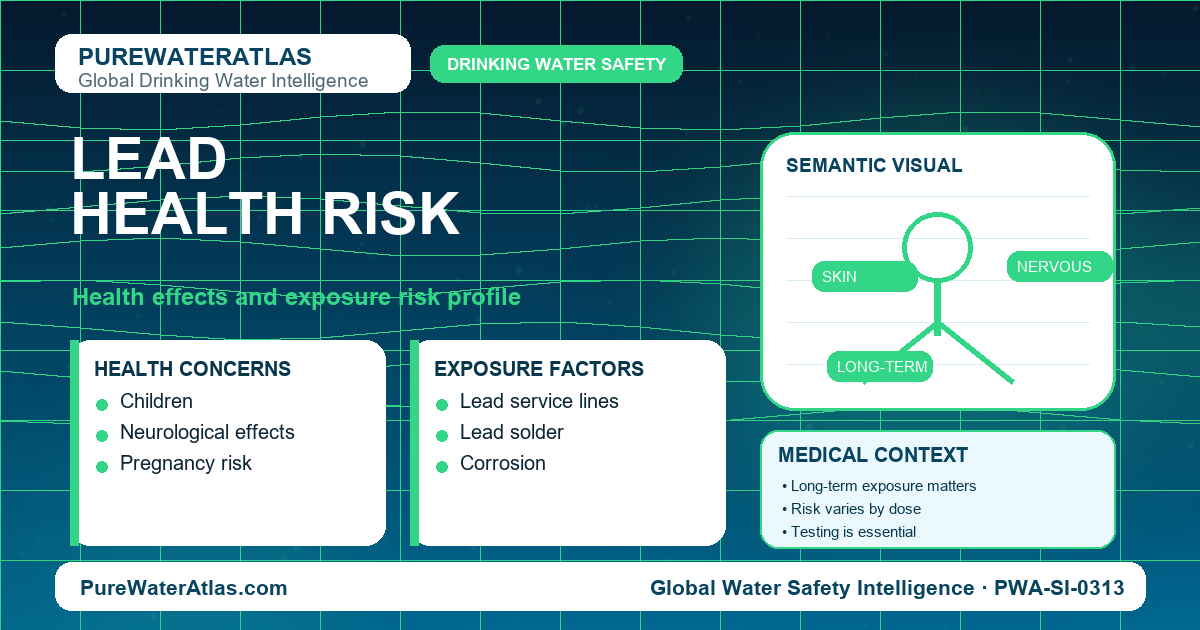
Lead is one of the best-known examples of a contaminant with major developmental implications. Even low levels of exposure can affect learning, behavior, attention, and cognitive development in children. There is no known safe level of lead exposure for children. In adults, lead exposure may contribute to high blood pressure, kidney dysfunction, and reproductive problems.
Other contaminants may also affect the nervous system. Certain solvents, pesticides, and metals can be associated with numbness, memory difficulties, tremors, or changes in mood and concentration after sufficient exposure.
Cardiovascular, Kidney, and Liver Effects
Several regulated contaminants are linked to organ toxicity. Arsenic can affect the skin, cardiovascular system, and nervous system and is also associated with cancer risk. Uranium may damage the kidneys. Some synthetic organic chemicals can injure the liver or kidneys over time. These outcomes are often related to cumulative exposure rather than a single isolated event.
Cancer Risk and Chronic Disease
EPA drinking water rules long term risks are often discussed in relation to carcinogens and probable carcinogens. Long-term ingestion of arsenic, certain disinfection byproducts, radionuclides, and some industrial contaminants may increase the likelihood of cancers affecting the bladder, skin, lungs, kidneys, or other organs. Cancer risk usually reflects both the concentration of the contaminant and the number of years of exposure.
Chronic exposure may also contribute to endocrine disruption, reproductive effects, immune changes, and metabolic disturbances. These relationships can be complex and may depend on combined exposures, genetics, nutrition, and existing disease.
Exposure Levels and Dose
The concept of epa drinking water rules exposure levels is central to understanding risk. A contaminant does not have the same impact at every concentration. Health effects are influenced by:
- The amount of contaminant present in the water
- How much water a person drinks each day
- Whether exposure also occurs through food, air, or skin contact
- The length of time exposure continues
- Personal susceptibility, including age and medical history
Regulatory limits are set to reduce risk across populations, but they are not a guarantee of zero risk in every individual and every circumstance. Some standards are based on feasibility as well as health goals, which means the enforceable limit may differ from the ideal health target.
Vulnerable Groups
EPA drinking water rules vulnerable groups include people who may experience greater harm from the same exposure level than the general population. These groups include:
- Infants: More susceptible to nitrate-related oxygen problems and dehydration from gastrointestinal illness.
- Children: More vulnerable to lead, certain pesticides, and developmental toxicants because organs and nervous systems are still developing.
- Pregnant people: Some contaminants may affect fetal development or pregnancy outcomes.
- Older adults: More likely to have chronic conditions that worsen the impact of contaminated water.
- Immunocompromised individuals: At greater risk from microbial pathogens that may cause severe or prolonged disease.
- People with kidney or liver disease: Less able to tolerate certain chemicals or metals.
When evaluating epa drinking water rules medical concerns, clinicians and public health professionals pay special attention to these populations because exposure that is mild for one person may be dangerous for another.
Testing and Detection
Because most drinking water contaminants cannot be seen or tasted, testing is the only reliable way to confirm whether water meets regulatory standards. EPA rules specify when public water systems must collect samples, which contaminants they must measure, and how results must be reported. For more detailed information, readers can explore this resource on testing and detection methods.
Routine Compliance Monitoring
Public water systems perform scheduled monitoring for regulated contaminants based on system type, source water, population served, and previous test results. Some contaminants are monitored frequently, while others are sampled on longer cycles if risk is considered lower. Monitoring may occur at the source, within the treatment plant, in the distribution system, or at consumers’ taps depending on the contaminant.
Laboratory Analysis
Certified laboratories use standardized methods to detect bacteria, metals, inorganic chemicals, volatile organic compounds, pesticides, radionuclides, and disinfection byproducts. These methods are designed to ensure accuracy, reproducibility, and low detection limits. A result above an action level or MCL may trigger additional sampling, treatment changes, public notice, or enforcement action.
Lead and Copper Testing
Lead and copper are tested differently from many source-based contaminants because they often come from plumbing materials. Samples are typically collected from high-risk taps after water has stood in plumbing for a defined period. This approach helps identify corrosion-related exposure that would not be visible from source water testing alone.
Consumer Confidence Reports and Public Notice
Community water systems are generally required to provide annual water quality reports, often called Consumer Confidence Reports. These reports summarize detected contaminants, compliance status, and potential health effects. If a significant violation occurs, systems may also issue notices such as boil water advisories, do-not-drink warnings, or recommendations for vulnerable populations.
Household and Private Well Testing
People using private wells should not assume their water is safe based on appearance or taste. Regular testing is important, especially for bacteria, nitrate, arsenic, lead, and local contaminants of concern. Home test kits can provide screening information, but confirmatory laboratory testing is often preferable for health decisions.
Testing should also be considered when:
- There is a change in taste, odor, or color
- Nearby flooding or construction has occurred
- A household member has unexplained gastrointestinal illness
- An infant or pregnant person relies on the water source
- The home has older plumbing materials
Prevention and Treatment
Preventing health effects from drinking water contamination requires action at several levels: source protection, system treatment, infrastructure maintenance, household precautions, and medical follow-up when exposure occurs.
Water System Prevention Measures
- Protecting rivers, lakes, and aquifers from runoff and industrial discharge
- Maintaining effective filtration and disinfection systems
- Optimizing corrosion control to reduce lead and copper leaching
- Replacing aging pipes and service lines
- Monitoring treatment performance and distribution system integrity
- Responding quickly to contamination events and communicating clearly with the public
Household Risk Reduction
Consumers can reduce risk by understanding their local water quality report and taking extra precautions when necessary. Depending on the contaminant, helpful measures may include:
- Using certified water filters designed for specific contaminants
- Flushing taps when water has been sitting in pipes, especially in older buildings
- Using cold water for drinking and cooking to reduce metal leaching
- Following boil water notices when microbial contamination is suspected
- Using alternative water sources if advised for infants, pregnant people, or medically vulnerable individuals
Not all filters remove all contaminants. A device that improves taste may not remove lead, nitrate, arsenic, or pathogens. Careful selection, maintenance, and replacement of filter cartridges are essential. More practical guidance is available in resources about water purification.
Medical Evaluation and Treatment
When contamination is suspected, medical treatment depends on the contaminant and the symptoms. Acute microbial illness may require rehydration, diagnostic testing, or antimicrobial therapy in severe cases. Heavy metal exposure may call for blood or urine testing and specialist follow-up. Lead exposure in children may prompt developmental evaluation and environmental investigation. Nitrate exposure in infants is a medical emergency requiring urgent assessment.
People should seek medical advice promptly if they experience:
- Persistent vomiting or diarrhea
- Signs of dehydration
- Neurological symptoms such as weakness, confusion, or tremors
- Blue discoloration of the skin in infants
- Known exposure to a chemical advisory or boil water violation
Health care providers may also report suspected water-related illness to local public health authorities, helping investigators identify broader community problems.
Common Misconceptions
If Water Looks Clean, It Must Be Safe
This is false. Many dangerous contaminants are invisible, odorless, and tasteless. Lead, arsenic, nitrate, and many industrial chemicals may be present without obvious warning signs.
Boiling Always Makes Water Safer
Boiling is useful for many microbial threats, but it does not remove heavy metals, nitrate, or most chemical pollutants. In some cases, boiling can slightly concentrate certain dissolved contaminants as water evaporates.
All Water Filters Remove Everything
Different treatment technologies target different contaminants. Activated carbon, reverse osmosis, ion exchange, ultraviolet disinfection, and distillation each have strengths and limitations. Proper certification matters.
EPA Standards Mean Zero Risk
EPA standards are highly important public health protections, but they do not always represent zero risk. Some enforceable limits reflect what is feasible with current treatment technology and cost considerations in addition to pure health-based goals.
Only Industrial Pollution Causes Health Problems
Natural geology, agricultural runoff, plumbing corrosion, and treatment byproducts can all create significant health concerns. Not every serious contaminant comes from a factory spill.
Regulations and Standards
EPA drinking water rules are grounded in federal law, especially the Safe Drinking Water Act. Under this framework, EPA identifies contaminants that may pose health concerns, assesses occurrence and risk, and determines whether national regulation is warranted. Rules may include MCLs, treatment techniques, monitoring requirements, reporting obligations, and public notification standards.
Key Regulatory Categories
- Microbiological standards: Address pathogens and indicators of fecal contamination.
- Inorganic chemical standards: Cover substances such as arsenic, nitrate, fluoride, and heavy metals.
- Organic chemical standards: Include solvents, pesticides, and industrial compounds.
- Radionuclide standards: Limit radioactive substances in drinking water.
- Disinfection and disinfection byproduct rules: Balance microbial protection with control of treatment-related chemical risks.
- Lead and copper rules: Focus on corrosion control, tap sampling, and system improvements.
State Primacy and Enforcement
Although EPA sets federal standards, many states have primary enforcement responsibility, often called primacy, if they adopt and implement rules at least as stringent as federal requirements. States may inspect systems, review sampling data, issue penalties, and require corrective actions. Local health departments and utilities also play major roles in communication and response.
Why Standards Continue to Evolve
Regulations are updated as science improves, new contaminants are identified, treatment technology advances, and public health priorities shift. This means standards are not static. Ongoing research into toxicology, epidemiology, exposure assessment, and environmental monitoring helps refine understanding of epa drinking water rules health effects over time.
Conclusion
EPA drinking water rules are far more than technical requirements for utilities. They are a core public health safeguard designed to reduce exposure to contaminants that can cause infection, developmental harm, organ damage, reproductive problems, and increased cancer risk. Understanding epa drinking water rules health effects means recognizing that risk depends on the contaminant involved, the exposure level, the duration of exposure, and the vulnerability of the person affected.
Short-term symptoms such as gastrointestinal illness may be the most visible sign of unsafe water, but the larger concern often lies in hidden, chronic exposures that accumulate over months or years. This is why monitoring, reporting, source protection, treatment, and infrastructure maintenance are so important. It is also why people should pay attention to annual water quality reports, public notices, and recommendations for vulnerable groups.
Whether the concern is lead from aging plumbing, nitrate in rural groundwater, microbial contamination after flooding, or long-term exposure to arsenic or disinfection byproducts, the central lesson is the same: safe drinking water depends on both strong regulation and informed action. When communities, utilities, health professionals, and households understand the risks and the standards designed to control them, they are better equipped to prevent illness and protect long-term health.
Read the full guide: Drinking Water Safety Guide
Explore more in this category: Drinking Water Safety Articles