Introduction
The global water crisis is one of the defining public health and environmental challenges of the modern era. At its core, it refers to the growing mismatch between the human need for safe, reliable water and the actual availability, quality, and accessibility of that water. A useful global water crisis overview health effects discussion must go beyond simple shortages and address contamination, failing infrastructure, climate pressure, sanitation gaps, and unequal access across regions and populations.
Water is essential for drinking, cooking, hygiene, agriculture, industry, and health care. When clean water is unavailable or unsafe, the consequences ripple through entire communities. People may face dehydration, diarrheal disease, toxic chemical exposure, skin and eye irritation, chronic organ damage, developmental harm, and increased vulnerability to infection. The burden is not evenly distributed. Children, older adults, pregnant people, rural residents, low-income households, displaced populations, and immunocompromised individuals often face the greatest risks.
This article provides an educational overview of the water crisis from a health-focused perspective. It explains what the crisis includes, where the risks come from, how exposure happens, what symptoms and long-term concerns may develop, and how testing, prevention, treatment, and regulation fit into a broader response. Readers seeking broader background may also explore this complete guide and additional resources in the global water quality category.
What It Is
The global water crisis is not a single event or a single type of problem. It is a combination of water scarcity, poor water quality, inadequate sanitation, weak distribution systems, ecosystem stress, and unequal access. In many places, there may be enough water in theory, but it is not safely treated, not physically reachable, too expensive, or seasonally unreliable. In other areas, water may be present but contaminated by microbes, chemicals, heavy metals, sewage, agricultural runoff, or industrial discharge.
From a public health perspective, the crisis includes several overlapping dimensions:
- Insufficient quantity: not enough water for drinking, cooking, and hygiene.
- Unsafe quality: water contaminated by infectious agents or toxic substances.
- Intermittent supply: water that is available only at certain times, increasing storage-related contamination risks.
- Poor sanitation: inadequate sewage treatment and waste disposal that contaminate water sources.
- Infrastructure failure: aging pipes, broken pumps, leaking systems, and inadequate treatment facilities.
- Environmental degradation: drought, aquifer depletion, salinization, and ecosystem damage that reduce usable supplies.
A strong global water crisis overview medical concerns framework also recognizes that “safe water” is not defined only by appearance. Water may look clear, smell normal, and still contain dangerous bacteria, viruses, parasites, lead, arsenic, nitrates, pesticides, or industrial chemicals. Conversely, cloudy water may signal an urgent problem, but not all health threats can be seen directly.
The crisis affects urban and rural settings differently. In crowded cities, contamination may result from sewage overflow, aging plumbing, industrial pollution, or weak utility systems. In rural regions, people may rely on untreated wells, rivers, ponds, tanker deliveries, or seasonal rain capture systems that are more vulnerable to contamination and supply disruption. In conflict zones and disaster settings, the crisis can become immediate and severe when treatment plants fail, pipes are damaged, and population displacement overwhelms sanitation systems.
For readers interested in related scientific context, materials in water science and water microbiology can help explain how water moves through environmental and human systems and how pathogens survive and spread.
Main Causes or Sources
The water crisis is driven by both natural and human-made factors. While climate and geography shape baseline water availability, many of the most dangerous health effects arise from preventable contamination and governance failures. A practical global water crisis overview causes and sources perspective must include quantity, quality, and distribution problems together.
Climate Change and Weather Extremes
Rising temperatures, shifting rainfall patterns, more frequent droughts, and intense storms are changing the water cycle worldwide. Drought reduces reservoir levels, dries shallow wells, concentrates pollutants, and limits hygiene. Heavy rainfall and flooding can overwhelm sewage systems, spread animal waste, mobilize chemicals, and contaminate drinking water supplies. Sea-level rise can increase saltwater intrusion into coastal aquifers, making water less suitable for drinking and agriculture.
Population Growth and Urbanization
As populations increase and cities expand, demand for water rises rapidly. In places where infrastructure does not keep pace, crowded settlements may lack safe piped water and adequate sanitation. Overuse of groundwater can lower water tables, while unplanned urban growth can increase runoff, pollution, and stress on treatment facilities.
Agricultural Runoff
Agriculture is a major consumer of freshwater and a major source of contamination. Fertilizers can release nitrates and phosphates into rivers, lakes, and groundwater. Animal waste can introduce bacteria, viruses, and parasites. Pesticides may persist in water or sediments and raise toxicological concerns. Irrigation can also contribute to salinity buildup and depletion of local water supplies.
Industrial Pollution
Factories, mining operations, energy production, and manufacturing processes can release heavy metals, solvents, hydrocarbons, acids, and other hazardous substances into water sources if not properly controlled. Some industrial contaminants are linked to neurological injury, cancer risk, endocrine disruption, reproductive harm, and organ toxicity. Even low-level long-term exposure may be medically important.
Inadequate Sanitation and Wastewater Management
Where sewage systems are absent, poorly maintained, or overloaded, human waste can enter surface water and groundwater. This creates ideal conditions for cholera, typhoid, dysentery, hepatitis A and E, and many other waterborne diseases. In low-resource areas, open defecation, damaged latrines, and unsafe sludge disposal can sharply increase contamination risks.
Aging or Damaged Infrastructure
Pipes, storage tanks, pumps, and treatment plants degrade over time. Corrosion can release metals such as lead and copper. Pipe breaks can allow contaminated water to enter the distribution system, especially when pressure drops. Intermittent service is particularly risky because it encourages households to store water in containers where microbes may multiply if hygiene is poor.
Natural Geologic Contaminants
Some hazards come from the earth itself. Arsenic, fluoride, iron, manganese, and other naturally occurring substances may leach into groundwater depending on local geology. These contaminants can be difficult to detect without laboratory testing and can cause chronic health problems over years of exposure.
For a more source-focused discussion, readers can consult this causes and sources guide.
Health and Safety Implications
The health burden of unsafe water is immediate in some cases and gradual in others. A complete global water crisis overview health effects explanation should distinguish between infectious disease, toxic exposure, and the secondary consequences of water insecurity such as poor hygiene, malnutrition, stress, and reduced health care quality.
Infectious Disease Risks
Microbial contamination is one of the most urgent dangers. Water can transmit bacteria, viruses, and parasites through drinking, food preparation, handwashing failure, and contact with contaminated surfaces or floodwaters. Common health outcomes include:
- Acute diarrhea
- Vomiting
- Abdominal pain and cramping
- Fever
- Dehydration
- Cholera and severe watery diarrhea
- Typhoid fever
- Hepatitis A or E
- Parasitic infections such as giardiasis or cryptosporidiosis
These illnesses can be especially dangerous for infants, older adults, and people with chronic disease. Even short episodes of diarrheal illness may lead to severe dehydration, electrolyte imbalance, and hospitalization if untreated.
Chemical and Toxicological Effects
Chemical contamination often causes less obvious but equally serious harm. A proper global water crisis overview exposure levels discussion emphasizes that risk depends on the concentration of the substance, duration of exposure, age and health of the individual, and whether multiple contaminants are present at the same time.
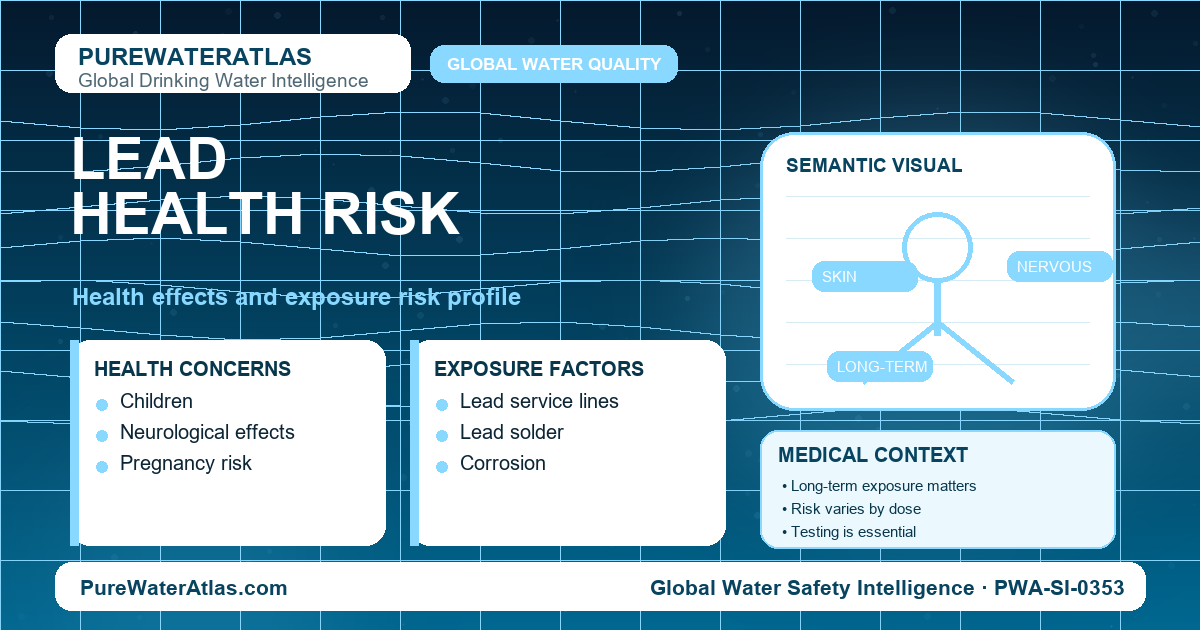
- Lead: associated with developmental delays, learning problems, behavioral issues, hypertension, and kidney damage.
- Arsenic: linked to skin changes, cardiovascular disease, neurological effects, diabetes risk, and certain cancers after long-term exposure.
- Nitrates: can impair oxygen delivery in infants, causing methemoglobinemia or “blue baby syndrome.”
- Fluoride in excess: may contribute to dental or skeletal fluorosis.
- Pesticides and industrial chemicals: may affect the nervous system, liver, endocrine function, or reproductive health.
Global Water Crisis Overview Symptoms
The global water crisis overview symptoms associated with unsafe water vary by contaminant and exposure route. Some signs appear quickly, while others develop slowly and may be overlooked. Symptoms may include:
- Thirst and signs of dehydration
- Diarrhea, nausea, or vomiting
- Stomach cramps
- Fatigue or weakness
- Headache
- Fever
- Skin rash or irritation after contact exposure
- Eye redness or burning
- Changes in urination
- Neurological changes such as poor concentration or irritability in chronic toxic exposure
Because symptoms overlap with many other illnesses, identifying water as the source may require careful history-taking, household pattern recognition, and laboratory testing.
Global Water Crisis Overview Long Term Risks
The global water crisis overview long term risks are often less visible than outbreaks but can be more damaging over time. Long-term consumption of contaminated water may contribute to:
- Growth and developmental impairment in children
- Chronic kidney disease
- Liver injury
- Neurological and cognitive impairment
- Bone and dental changes
- Cardiovascular strain
- Immune system stress
- Increased cancer risk from certain contaminants
Long-term water insecurity also has indirect effects. If families must spend significant time collecting water, children may miss school, caregivers may lose income, and household hygiene may decline. This increases the risk of skin infections, respiratory infections, menstrual hygiene challenges, and poor management of chronic disease.
Global Water Crisis Overview Vulnerable Groups
A meaningful global water crisis overview vulnerable groups analysis shows that not all people face the same level of harm. Higher-risk groups include:
- Infants and young children: more prone to dehydration and developmental harm from toxic exposure.
- Pregnant people: some contaminants may affect fetal development, and dehydration can be especially dangerous.
- Older adults: often more sensitive to fluid imbalance and chronic toxic effects.
- Immunocompromised individuals: greater risk from pathogens that may be mild for others.
- People with kidney, liver, or heart disease: may have less ability to tolerate contamination or dehydration.
- Low-income and marginalized communities: often face poorer infrastructure and fewer alternatives.
- Displaced populations and people in conflict zones: frequently exposed to disrupted systems and crowded sanitation conditions.
Testing and Detection
Testing is essential because many dangerous water contaminants cannot be detected by taste, smell, or appearance alone. A useful global water crisis overview testing and detection methods approach combines field assessment, laboratory analysis, infrastructure inspection, and public health surveillance.
Basic Water Quality Indicators
Routine screening often begins with general measures such as:
- pH
- Turbidity
- Temperature
- Electrical conductivity
- Residual disinfectant levels
These indicators do not identify every hazard, but they can signal treatment failures or changing source conditions.
Microbiological Testing
Microbiological analysis looks for evidence of fecal contamination and specific pathogens. Common tests include total coliforms, E. coli indicators, and, in some settings, direct testing for viruses or protozoa. Detection may rely on culture methods, antigen tests, or molecular techniques such as PCR. Since microbial risk can fluctuate rapidly after storms or system disruptions, repeated sampling may be necessary.
Chemical Testing
Chemical analysis may target lead, arsenic, nitrates, fluoride, manganese, pesticides, volatile organic compounds, industrial chemicals, and other pollutants. Some hazards require specialized laboratory methods because safe and unsafe concentrations can differ by very small amounts. Household test kits can be helpful for screening certain contaminants, but confirmatory laboratory testing is often needed for decision-making.
Infrastructure and Source Assessment
Testing water alone is not enough. Inspectors and public health teams may also examine:
- Well depth and construction quality
- Distance from latrines, septic systems, or animal areas
- Pipe corrosion and leak points
- Treatment plant performance
- Storage tank cleanliness
- Flood impact on water sources
Exposure Interpretation
A key part of a global water crisis overview exposure levels discussion is understanding that test results must be interpreted in context. A single reading may not tell the full story. Exposure depends on how often the water is consumed, whether it is also used for infant formula or cooking, how long contamination has been present, and whether the household has alternative sources. For some contaminants, even low chronic exposure is medically important for children or pregnant people.
Readers looking for more on this topic can visit testing and detection methods.
Prevention and Treatment
Addressing the water crisis requires action at multiple levels: household, community, health system, engineering, and policy. Prevention focuses on protecting source water, treating contamination, improving infrastructure, and ensuring equitable access. Medical treatment focuses on limiting harm once exposure has occurred.
Household and Community Prevention
- Boil water when microbial contamination is suspected and local guidance recommends it.
- Use appropriate filtration systems certified for the contaminant of concern.
- Store water in clean, covered containers to reduce recontamination.
- Wash hands with safe water and soap, especially before food preparation.
- Protect wells from runoff, flooding, and nearby waste sources.
- Maintain septic systems and sanitation facilities.
- Support local watershed protection and pollution control efforts.
It is important to note that not all treatment methods solve all problems. Boiling may kill microbes but does not remove lead, arsenic, nitrates, or many chemicals. Some filters improve taste but do not reliably remove pathogens or toxic metals. Matching the treatment method to the specific hazard is essential.
System-Level Prevention
The most effective long-term solutions usually involve infrastructure and governance improvements:
- Expanding reliable piped water systems
- Upgrading treatment plants
- Reducing pipe corrosion and leaks
- Separating sewage and stormwater where possible
- Monitoring industrial discharge
- Managing agricultural runoff
- Protecting aquifers and recharge zones
- Building drought and flood resilience into water planning
Medical Treatment of Water-Related Illness
When illness occurs, treatment depends on the cause and severity:
- Dehydration: oral rehydration solution, increased fluid intake, or intravenous fluids in severe cases.
- Bacterial infection: sometimes antibiotics, depending on diagnosis and local resistance patterns.
- Parasitic infection: targeted antiparasitic medication.
- Chemical exposure: stopping exposure is the first step, followed by medical evaluation and supportive care.
- Lead exposure: environmental removal, blood level assessment, developmental follow-up, and in some cases chelation therapy.
People should seek medical care urgently if they have severe diarrhea, inability to keep fluids down, signs of dehydration, confusion, high fever, blood in stool, or if an infant, pregnant person, older adult, or immunocompromised individual is affected.
Common Misconceptions
Misunderstandings about water safety can delay action and increase risk. Several myths appear frequently in public discussions.
“Clear water is safe water.”
False. Many pathogens and chemical contaminants are invisible. Water can look normal and still be unsafe to drink.
“Boiling fixes every water problem.”
False. Boiling is effective against many microbes but does not remove most metals, salts, or chemical pollutants. In some cases, boiling may even concentrate certain dissolved substances if water evaporates.
“Only low-income countries face a water crisis.”
False. Water contamination, aging pipes, drought, flooding, and affordability challenges occur in both high-income and low-income settings. The form of the crisis differs, but no region is completely immune.
“If no one feels sick immediately, the water must be fine.”
False. Some exposures cause delayed or cumulative harm. This is especially relevant to the global water crisis overview long term risks linked to metals and industrial chemicals.
“Bottled water is always safer.”
Not necessarily. Bottled water quality varies, may be costly or inaccessible, and does not solve the structural causes of unsafe local systems. In emergencies it may be useful, but it is not a universal solution.
Regulations and Standards
Water safety depends heavily on standards, monitoring, enforcement, and public transparency. National governments, local utilities, and international organizations all play a role. Regulatory systems typically set maximum allowable levels for microbial indicators, metals, and chemical contaminants, and they define treatment, sampling, reporting, and corrective action requirements.
Why Standards Matter
Standards provide a benchmark for action. Without them, contamination may go unrecognized or unaddressed. Effective regulations help determine:
- Which contaminants must be monitored
- How often testing must occur
- What concentration levels are considered unsafe
- When the public must be notified
- What remediation steps are required
Limits of Regulation
Even strong standards do not guarantee safety if testing is infrequent, infrastructure is inadequate, laboratories are unavailable, or enforcement is weak. Rural and informal water systems may fall outside robust oversight. In crisis settings, regulations may exist on paper but be difficult to implement in practice.
Global and Local Coordination
International guidelines help shape risk assessment and public health priorities, but local conditions matter greatly. Background geology, climate, sanitation practices, industrial activities, and financial capacity all influence what monitoring and treatment approaches are realistic and necessary. Public reporting, community participation, and health surveillance improve accountability and help identify failures sooner.
Conclusion
The global water crisis is a complex problem involving scarcity, contamination, unequal access, and system fragility. A thorough global water crisis overview health effects perspective shows that unsafe water can cause acute infection, toxic exposure, chronic disease, developmental harm, and broad social disruption. The health burden is especially high among children, pregnant people, older adults, immunocompromised individuals, and underserved communities.
Understanding the crisis requires attention to symptoms, exposure levels, vulnerable groups, and long-term risks, not just obvious shortages. It also requires recognizing that prevention is most effective when it combines science, infrastructure, sanitation, public health, and regulation. Testing and detection are essential because dangerous contaminants are often invisible, while treatment must be tailored to the specific hazard.
Ultimately, safe water is not only an environmental resource but a foundation of health, dignity, and social stability. Continued education, investment, monitoring, and public accountability are necessary to reduce risk and protect communities now and in the future. For further reading, explore the global water quality resources and the complete overview guide.
Read the full guide: Global Water Quality Guide
Explore more in this category: Global Water Quality Articles