
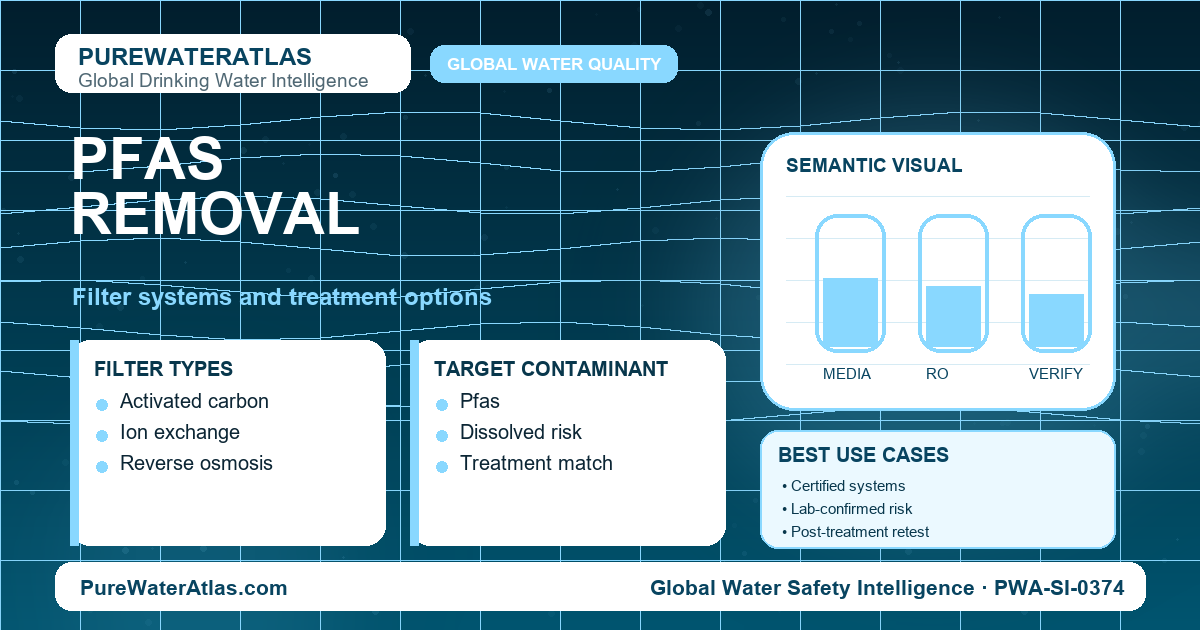
Introduction
Freshwater is one of the planet’s most essential resources, yet its distribution, quality, and accessibility vary dramatically from region to region. When people discuss freshwater availability around the world removal, they are usually referring to the practical challenge of removing contaminants, salts, microbes, sediments, and chemical pollutants from available water sources so that the water becomes safe for drinking, agriculture, industry, and ecosystem support. This topic connects water scarcity with water quality: a region may have water present in rivers, lakes, groundwater, or reservoirs, but if that water is heavily polluted or difficult to treat, effective freshwater availability is still limited.
Understanding freshwater availability requires looking beyond simple rainfall totals or the size of rivers. It involves climate, geography, infrastructure, population growth, land use, pollution, governance, and treatment capacity. In many places, communities rely on advanced treatment systems to make poor-quality water usable. In others, simple household filtration and disinfection methods can significantly improve safety. Across all settings, the goal is the same: to convert available raw water into water that is reliable, safe, and sustainable.
This article explains the meaning of freshwater availability in a global context, the major sources of contamination that reduce usable supply, the health risks associated with poor-quality water, and the most important options for removal and treatment. It also explores freshwater availability around the world filtration methods, compares freshwater availability around the world treatment systems, and discusses freshwater availability around the world best filters, along with maintenance, effectiveness, and regulatory considerations. For readers seeking broader context, additional resources can be found in global water quality and the complete guide to freshwater availability around the world.
What It Is
Freshwater availability refers to the amount of water that is accessible and suitable for use by people, agriculture, industry, and natural ecosystems. Although Earth has vast amounts of water, only a small fraction is freshwater, and an even smaller portion is easily available in rivers, lakes, wetlands, shallow groundwater, and reservoirs. A significant amount of freshwater is locked in glaciers, deep aquifers, seasonal snowpack, or remote regions where it is difficult to access.
In practical terms, freshwater availability is not just about how much water exists. It is also about how much water is:
- Physically reachable
- Economically affordable to collect and deliver
- Safe enough for its intended use
- Reliable across seasons and drought cycles
- Protected from pollution and overuse
This is why the concept of freshwater availability around the world removal is so important. Removal refers to the elimination of substances that make water unsafe or unusable. Depending on the source, those substances may include:
- Suspended solids such as silt and clay
- Pathogens including bacteria, viruses, and protozoa
- Dissolved salts and minerals
- Heavy metals such as lead, arsenic, and mercury
- Agricultural chemicals including nitrates and pesticides
- Industrial pollutants such as solvents and synthetic compounds
- Organic matter that affects taste, odor, or disinfection by-products
In many parts of the world, treatment transforms marginal water sources into usable freshwater. Surface water may need sediment removal, filtration, and disinfection. Groundwater may need iron removal, arsenic treatment, or softening. Brackish water may require membrane-based desalination. Wastewater may be reclaimed through advanced purification systems for agricultural, industrial, or even potable reuse.
Freshwater availability therefore should be understood as a combination of water quantity and water treatability. Regions with advanced infrastructure can often stretch limited supplies by treating impaired water. Regions without that infrastructure may face severe shortages even when water is present in the environment. A deeper discussion of sources can be found at freshwater availability around the world causes and sources.
Main Causes or Sources
The world’s freshwater challenges arise from both natural and human-driven factors. Some regions naturally have low rainfall, high evaporation, or limited groundwater recharge. Other regions have abundant water but face severe contamination or seasonal variability. In either case, the amount of water that can be safely used depends heavily on removal and treatment capacity.
Natural limits on freshwater supply
Climate is one of the most important influences on freshwater availability. Arid and semi-arid regions often receive little rainfall and lose much of it to evaporation. Mountain snowpack and glaciers act as natural storage systems, but climate change is altering their timing and volume. Droughts can reduce river flows, lower reservoir levels, and concentrate contaminants in remaining water.
Geology also matters. Some aquifers naturally contain elevated arsenic, fluoride, iron, manganese, or dissolved salts. Even where water is plentiful underground, these constituents may require treatment before the water is safe to drink. Natural organic matter from soils and wetlands can affect taste and color and may also react during chlorination to form disinfection by-products.
Population growth and urbanization
Rapid population growth increases demand for water in homes, businesses, agriculture, and power generation. Urban expansion often places heavy stress on local rivers and aquifers. As cities grow, wastewater volumes rise, and if sewage treatment does not keep pace, nearby freshwater sources may become contaminated. Informal settlements and aging infrastructure can worsen the problem through leaks, illegal dumping, and inadequate sanitation.
Agricultural runoff
Agriculture is one of the largest users of freshwater worldwide and a major source of water pollution. Fertilizers can contribute nitrates and phosphates to rivers, lakes, and groundwater. Animal waste can introduce pathogens. Pesticides and herbicides may persist in water supplies and require specialized treatment to remove. Irrigation in dry climates can also increase salinity in soils and return flows, reducing long-term water quality.
Industrial contamination
Industrial activities may release metals, hydrocarbons, solvents, acids, synthetic chemicals, and heated effluent into waterways. Mining can generate acid drainage and mobilize toxic metals. Manufacturing can discharge process chemicals or emerging contaminants if controls are poor. Even when regulations exist, enforcement capacity varies widely among countries and regions.
Inadequate sanitation and wastewater management
Untreated or poorly treated sewage is a major cause of microbial contamination in freshwater. This problem affects both developing and industrialized regions, especially where infrastructure is outdated or overloaded during storms. Wastewater discharges can introduce bacteria, viruses, protozoa, nutrients, pharmaceuticals, and resistant microorganisms into receiving waters.
Over-extraction of groundwater
Groundwater can provide a crucial buffer during dry periods, but excessive pumping lowers water tables, dries wells, reduces baseflow to rivers, and can draw poor-quality water into freshwater aquifers. In coastal regions, over-pumping may lead to saltwater intrusion. Recovery can be slow, making treatment and conservation both essential.
Climate change
Climate change affects freshwater through altered precipitation patterns, stronger droughts and floods, warmer temperatures, glacial retreat, and more extreme weather. Heavy rainfall can wash pollutants into water bodies, while prolonged drought can reduce dilution and increase pollutant concentrations. These changes place greater importance on resilient treatment systems and source-water protection.
Health and Safety Implications
When freshwater is available only in contaminated form, the consequences for human health can be severe. Poor water quality contributes to acute illness, long-term disease, developmental problems, and public health emergencies. The risks depend on the type and concentration of contaminants, duration of exposure, and the vulnerability of the exposed population.
Microbial risks
Pathogens remain one of the most urgent global water safety concerns. Contaminated freshwater can carry bacteria such as E. coli, Salmonella, and Vibrio cholerae, viruses such as norovirus and hepatitis A, and protozoa such as Giardia and Cryptosporidium. These microorganisms can cause diarrhea, vomiting, dehydration, organ stress, and in severe cases death, especially among infants, older adults, and immunocompromised individuals.
Chemical risks
Chemical contaminants often present slower but equally serious threats. Arsenic exposure is associated with skin lesions, cardiovascular effects, and cancers. Lead can harm neurological development in children. Nitrate contamination can cause methemoglobinemia, especially in infants. Long-term ingestion of certain industrial chemicals, pesticides, and disinfection by-products may increase cancer risk or affect endocrine, reproductive, or immune function.
Physical and aesthetic indicators
Cloudiness, odor, unusual taste, and staining may not always indicate severe danger, but they can signal treatment needs or source problems. Turbidity can protect microbes from disinfectants. Corrosive water can leach metals from plumbing. Salty water may be unsuitable for certain medical conditions and can damage crops and equipment.
Broader safety impacts
Inadequate freshwater quality affects more than direct drinking. It can compromise food preparation, personal hygiene, healthcare delivery, school attendance, and local economies. Where treatment is limited, people may spend significant time collecting safer water or purchasing bottled alternatives, placing a financial burden on households. A fuller review of public health issues is available at freshwater availability around the world health effects and risks and in drinking water safety.
Testing and Detection
Testing is the foundation of effective water treatment. It is impossible to choose the correct removal method without understanding what is in the water. Because freshwater quality varies by region, season, weather, geology, and nearby land use, testing should be regular rather than one-time only.
Basic field indicators
Initial screening often includes measurements that can be taken on site:
- pH
- Turbidity
- Electrical conductivity or total dissolved solids
- Temperature
- Dissolved oxygen
- Residual chlorine in treated systems
These indicators help identify broad water quality conditions and can suggest whether the water is likely to need sediment removal, corrosion control, desalination, or improved disinfection.
Microbial testing
Microbial quality is typically assessed using indicator organisms such as total coliforms and E. coli. Their presence suggests fecal contamination and possible pathogen risk. More advanced laboratory testing may identify specific bacteria, viruses, and protozoa. In emergency and low-resource settings, simple presence-absence tests can guide immediate action, though they do not replace full laboratory analysis.
Chemical analysis
Chemical testing may include:
- Nitrate and nitrite
- Arsenic, lead, mercury, and other metals
- Fluoride
- Iron and manganese
- Pesticides and herbicides
- Volatile organic compounds
- PFAS and other emerging contaminants where relevant
- Hardness, alkalinity, and major ions
The specific panel should match local risk factors. For example, agricultural areas may prioritize nitrate and pesticide testing, while industrial zones may require broader synthetic chemical screening. Areas with naturally mineralized groundwater may focus on arsenic, fluoride, or salinity.
Source and system monitoring
Testing should not stop at the source. Water quality can change during storage and distribution. Pipes, tanks, and household plumbing can introduce contamination or alter chemistry. Routine monitoring helps assess freshwater availability around the world effectiveness by showing whether a treatment system consistently meets performance targets over time.
Prevention and Treatment
Prevention is generally more sustainable and cost-effective than relying entirely on treatment after contamination occurs. However, because many water sources are already impaired, both source protection and treatment are necessary. The best strategy depends on local water quality, budget, technical capacity, energy availability, and intended use.
Source protection and conservation
Before discussing treatment devices, it is important to recognize that protecting water sources improves long-term freshwater availability. Effective prevention measures include:
- Watershed management to reduce erosion and runoff
- Sanitation improvements to limit sewage contamination
- Agricultural best practices for fertilizer and pesticide use
- Industrial discharge controls and monitoring
- Groundwater recharge protection
- Leak reduction in distribution networks
- Water conservation and demand management
These steps reduce the treatment burden and help preserve ecosystems that naturally support water quality.
Conventional treatment systems
Municipal treatment plants often combine several core processes. These remain central to freshwater availability around the world treatment systems because they can produce large volumes of safe water when properly operated.
- Coagulation and flocculation: Chemicals cause fine particles to clump together.
- Sedimentation: Heavier flocs settle out of the water.
- Filtration: Sand, multimedia, or membrane filtration removes remaining particles.
- Disinfection: Chlorine, chloramine, ozone, or ultraviolet light inactivates pathogens.
This multi-barrier approach is highly effective for many surface water sources, especially when paired with rigorous monitoring and skilled operation.
Household and point-of-use filtration methods
In homes, schools, clinics, and remote communities, point-of-use systems can be critical. Common freshwater availability around the world filtration methods include:
- Ceramic filters: Useful for removing suspended solids and many bacteria; some models are impregnated with silver for microbial control.
- Activated carbon filters: Improve taste and odor and reduce chlorine and some organic chemicals, though they are not reliable against all microbes.
- Ultrafiltration membranes: Effective for particulates, bacteria, and some protozoa.
- Reverse osmosis systems: Remove a wide range of dissolved contaminants, including salts, metals, and many chemical pollutants.
- Distillation units: Separate water from many dissolved solids and microbes through evaporation and condensation.
- Biosand filters: Low-cost systems that combine physical filtration and biological action for rural or low-resource settings.
Disinfection options
Filtration often needs to be combined with disinfection, especially when microbial contamination is possible. Common options include:
- Chlorination: Widely used, affordable, and provides residual protection in storage and distribution.
- Ultraviolet disinfection: Effective against many microbes when water is clear enough; does not provide residual protection.
- Boiling: Highly effective for pathogens but energy-intensive and not practical for large volumes.
- Ozonation: Strong oxidant used in larger systems; effective but more complex to operate.
- Solar disinfection: Can be useful in emergencies and resource-limited settings for small quantities of clear water.
Advanced treatment systems
Where water contains salts, industrial chemicals, or difficult emerging contaminants, more advanced solutions are often required. These may include:
- Reverse osmosis and nanofiltration: Excellent for desalination, arsenic reduction, nitrate removal, and many dissolved pollutants.
- Ion exchange: Effective for hardness, nitrate, and certain metals.
- Adsorptive media: Used for arsenic, fluoride, PFAS, and specific contaminants depending on media type.
- Advanced oxidation processes: Target persistent organic contaminants using combinations such as ozone, hydrogen peroxide, and UV.
- Biological treatment: Useful in wastewater reclamation and nutrient removal.
These approaches are increasingly important in water-scarce regions that rely on reclaimed water, brackish groundwater, or highly stressed river systems. More information is available in water treatment systems.
Freshwater availability around the world best filters
The phrase freshwater availability around the world best filters does not refer to one universal device, because the best filter depends on the contamination profile and context. A few general principles can help guide selection:
- For turbid surface water with microbial risk, use sediment removal plus filtration plus disinfection.
- For groundwater with dissolved chemicals such as arsenic or nitrate, choose a contaminant-specific medium, ion exchange, or reverse osmosis.
- For salty or brackish water, reverse osmosis is often the most practical treatment option.
- For simple taste and odor issues in otherwise safe municipal water, activated carbon may be sufficient.
- For low-resource rural settings, durable gravity-fed ceramic or biosand systems may offer the best balance of cost and performance.
The best filter is the one that is independently tested, appropriate for the source water, affordable to maintain, and consistently used correctly.
Freshwater availability around the world maintenance
No treatment system works well without maintenance. Freshwater availability around the world maintenance is a critical but often overlooked issue. Filters clog, membranes foul, disinfectant dosing drifts, and media become exhausted. Poorly maintained equipment may give users a false sense of security while delivering inadequate treatment.
Good maintenance practices include:
- Replacing cartridges and media on schedule
- Cleaning prefilters, tanks, and housings
- Checking pressure, flow rate, and integrity
- Monitoring residual disinfectant where applicable
- Testing treated water periodically
- Keeping spare parts and training operators
Maintenance planning should be part of treatment selection from the beginning. A simpler system that can be maintained locally is often better than a complex system that fails after a short period.
Freshwater availability around the world effectiveness
Freshwater availability around the world effectiveness depends on matching the technology to the problem. A carbon filter may improve taste but do little for microbial safety. UV may inactivate pathogens but will not remove arsenic or salinity. Reverse osmosis may remove many contaminants but can waste water, require pressure, and remove beneficial minerals. Effective treatment is always source-specific, monitored, and supported by proper operation.
Common Misconceptions
Misunderstandings about freshwater and treatment can lead to unsafe decisions. Several misconceptions are especially common.
- If water looks clear, it is safe. Many dangerous contaminants, including pathogens, nitrates, arsenic, and dissolved salts, are invisible.
- Any filter removes everything. Different filters target different contaminants. There is no single technology that solves every water quality issue in every setting.
- Boiling fixes all water problems. Boiling kills microbes but does not remove metals, salts, or many chemical pollutants.
- Groundwater is always cleaner than surface water. Groundwater may have fewer pathogens, but it can contain naturally occurring arsenic, fluoride, iron, manganese, or salinity.
- Desalination is an easy universal answer. It can be highly effective, but it requires energy, infrastructure, pretreatment, maintenance, and brine management.
- Water scarcity is only about climate. Governance, pollution, infrastructure, pricing, and treatment capacity are equally important.
Regulations and Standards
Water regulations help define what constitutes safe drinking water and acceptable treatment performance. While standards differ among countries, many are influenced by international guidance such as that of the World Health Organization. National or regional authorities may establish maximum contaminant levels, treatment technique requirements, monitoring frequencies, operator certification rules, and reporting obligations.
Regulatory systems typically address:
- Microbial safety standards
- Chemical contaminant limits
- Operational monitoring requirements
- Distribution system integrity
- Public notification and corrective actions
- Certification of treatment devices and materials
Standards matter because they create a benchmark for evaluating freshwater availability around the world removal strategies. They also help compare technologies, verify claims about performance, and ensure that treatment systems are not judged only by appearance or marketing. For households and institutions selecting point-of-use products, independent certification and documented performance data are valuable signs of reliability.
At the policy level, strong standards are most effective when supported by enforcement, laboratory capacity, operator training, and investment in infrastructure. Without those elements, regulations may exist on paper while communities continue to face unsafe water in practice.
Conclusion
Freshwater availability is not simply a question of how much water exists on Earth. It is a question of how much water can be accessed, protected, and treated to meet human and ecological needs. The global challenge of freshwater availability around the world removal lies in turning imperfect water sources into dependable supplies through source protection, testing, treatment, maintenance, and regulation.
Different regions face different combinations of scarcity and contamination. Some struggle with drought and salinity, others with sewage, agricultural runoff, industrial chemicals, or naturally occurring minerals. Because of this diversity, there is no one-size-fits-all solution. Effective responses rely on understanding local conditions and selecting the right combination of freshwater availability around the world filtration methods and freshwater availability around the world treatment systems.
The most successful water strategies combine prevention with treatment. Protecting watersheds, reducing pollution, improving sanitation, and managing demand all reduce pressure on treatment infrastructure. At the same time, well-designed and well-maintained systems-from simple household filters to advanced municipal plants-expand safe water access and strengthen resilience.
Ultimately, the best approach is informed, adaptive, and evidence-based. By testing water regularly, choosing technologies carefully, prioritizing freshwater availability around the world maintenance, and evaluating freshwater availability around the world effectiveness in real-world conditions, communities can improve both water safety and long-term water security.
Read the full guide: Global Water Quality Guide
Explore more in this category: Global Water Quality Articles