Introduction
Safe drinking water depends on more than a clean appearance or a neutral taste. In the United States, the Environmental Protection Agency establishes national standards for public drinking water systems under the Safe Drinking Water Act. When people search for epa drinking water rules causes and sources, they are usually trying to understand a practical question: where do drinking water contaminants come from, why are they regulated, and how can households reduce exposure?
EPA drinking water rules are designed to protect public health by limiting or monitoring contaminants that may be present in source water, treatment systems, and distribution networks. These rules cover a wide range of hazards, including microorganisms, disinfection byproducts, metals, industrial chemicals, naturally occurring minerals, pesticides, and radioactive substances. Each category has different origins, different pathways into water supplies, and different health implications.
Understanding causes and sources is essential because contamination does not begin at a single point. It can start in rivers, lakes, aquifers, or reservoirs. It can be introduced by runoff from farms, discharge from industrial sites, failing septic systems, old plumbing materials, or even the chemical reactions that occur during water treatment itself. In other words, drinking water safety is both an environmental issue and an infrastructure issue.
This article explains how EPA drinking water rules relate to contaminant sources, risk factors, household exposure, testing, and prevention. It is intended as an educational overview for homeowners, renters, students, and professionals who want a clearer picture of how the regulatory system works and why source identification matters. For broader background on public water protection, readers may also explore drinking water safety resources and the complete guide to EPA drinking water rules.
What It Is
EPA drinking water rules are federal standards and monitoring requirements created to reduce health risks from contaminants in public drinking water systems. These rules do not simply list harmful substances. They define how water systems must monitor for contaminants, what levels are allowed, when treatment is required, how violations are reported, and what corrective actions must be taken.
The legal foundation for most of these standards is the Safe Drinking Water Act. Under this framework, the EPA identifies contaminants that may adversely affect health and are known or likely to occur in public water systems. For many of these substances, the agency establishes:
- Maximum Contaminant Levels (MCLs), which are enforceable legal limits for contaminants in drinking water.
- Treatment Techniques (TTs), which require specific treatment methods when measuring the contaminant directly is difficult or when control is more practical than a fixed limit.
- Maximum Residual Disinfectant Levels (MRDLs), which apply to disinfectants used to control microbes.
- Monitoring and reporting requirements, which determine how often utilities must test and how they must notify consumers.
These rules are not limited to one type of contamination. They address several broad classes:
- Microbial contaminants, such as bacteria, viruses, and protozoa.
- Inorganic contaminants, including arsenic, nitrate, fluoride, lead, copper, and other metals or minerals.
- Organic chemicals, such as solvents, pesticides, herbicides, and industrial compounds.
- Disinfection byproducts, which may form when disinfectants react with organic matter in water.
- Radiological contaminants, such as radium, uranium, and gross alpha emitters.
When discussing epa drinking water rules common sources, it is important to remember that a contaminant may enter water before treatment, during treatment, or after treatment while traveling through pipes. Public water systems are regulated directly, but private wells are generally not subject to the same federal enforcement. That difference makes source awareness even more important for households that rely on well water.
Main Causes or Sources
The central issue behind epa drinking water rules causes and sources is that contaminants come from many places, often acting together. A single community water system may draw from a watershed influenced by agriculture, urban development, natural geology, wastewater inputs, and aging distribution pipes. The EPA’s rules are built around this reality.
Natural Environmental Sources
Some contaminants occur naturally in rocks, soils, and groundwater. As water moves through geologic formations, it can dissolve minerals and metals. In some regions, this process introduces arsenic, uranium, radium, manganese, iron, sulfate, or fluoride into groundwater. These are not necessarily caused by industrial pollution, yet they can still create serious health concerns when present above recommended levels.
Natural organic matter from decaying vegetation can also play an indirect role. By itself, organic matter is not always the main hazard, but it can react with chlorine or other disinfectants during treatment to form regulated disinfection byproducts such as trihalomethanes and haloacetic acids.
Agricultural Runoff
Agriculture is one of the most important epa drinking water rules common sources of contamination. Fertilizers can introduce nitrate and nitrite into groundwater and surface water. Animal operations can contribute bacteria, viruses, protozoa, and excess nutrients. Pesticides and herbicides may enter nearby streams or leach downward into aquifers.
These risks are influenced by rainfall, soil type, irrigation practices, slope, and seasonal application patterns. Heavy storms can wash contaminants into rivers and reservoirs, while porous soils may allow chemicals to move more easily into groundwater. Nitrate is especially concerning in rural areas with shallow wells and intensive farming.
Industrial and Commercial Activities
Industrial sites can release solvents, fuels, metals, synthetic chemicals, and manufacturing byproducts. Contaminants may reach water through direct discharge, accidental spills, leaking storage tanks, landfills, waste lagoons, or improper disposal practices. Examples include benzene, trichloroethylene, perchloroethylene, and various volatile organic compounds.
Commercial operations such as dry cleaners, metal plating facilities, and chemical storage areas may also affect groundwater if containment systems fail. Even long after an industrial activity ends, residual contamination can persist underground and migrate slowly toward wells or surface waters.
Wastewater and Septic System Failures
Human wastewater is another major source of contamination. Leaking sanitary sewers, combined sewer overflows, wastewater discharges, and failing septic systems can introduce pathogens, nitrogen compounds, pharmaceuticals, and other pollutants into water resources. In areas with dense housing and older infrastructure, septic system failure can be a significant source of household-level risk.
Microbial contamination from sewage is especially serious because it can cause acute illness quickly. Surface waters used as drinking water sources are often vulnerable after storms, floods, or treatment disruptions that allow organisms such as Giardia, Cryptosporidium, or disease-causing bacteria to remain in finished water.
Stormwater and Urban Runoff
In urban and suburban settings, rainwater can pick up oil residues, metals, road salts, fertilizers, pet waste, pesticides, and debris from streets, parking lots, rooftops, and lawns. This runoff often reaches storm drains and local waterways without full treatment. As development increases the amount of paved surface, less water infiltrates into the ground and more contaminated runoff flows directly into streams and reservoirs.
Urban runoff can contribute sediment, microbial pollution, and chemicals that complicate water treatment. It can also increase turbidity, making it harder for treatment plants to disinfect effectively.
Water Treatment Byproducts
One of the more complex aspects of drinking water regulation is that treatment itself can create contaminants. Disinfectants like chlorine are essential because they control pathogens, but they can react with natural organic matter to form byproducts. EPA rules address this tradeoff by limiting both microbial risks and byproduct risks.
This is a key concept in epa drinking water rules risk factors: the safest water system is not simply the one with the strongest disinfection. It is the one that balances source protection, treatment optimization, and distribution system control to minimize total health risk.
Corrosion in Plumbing and Distribution Systems
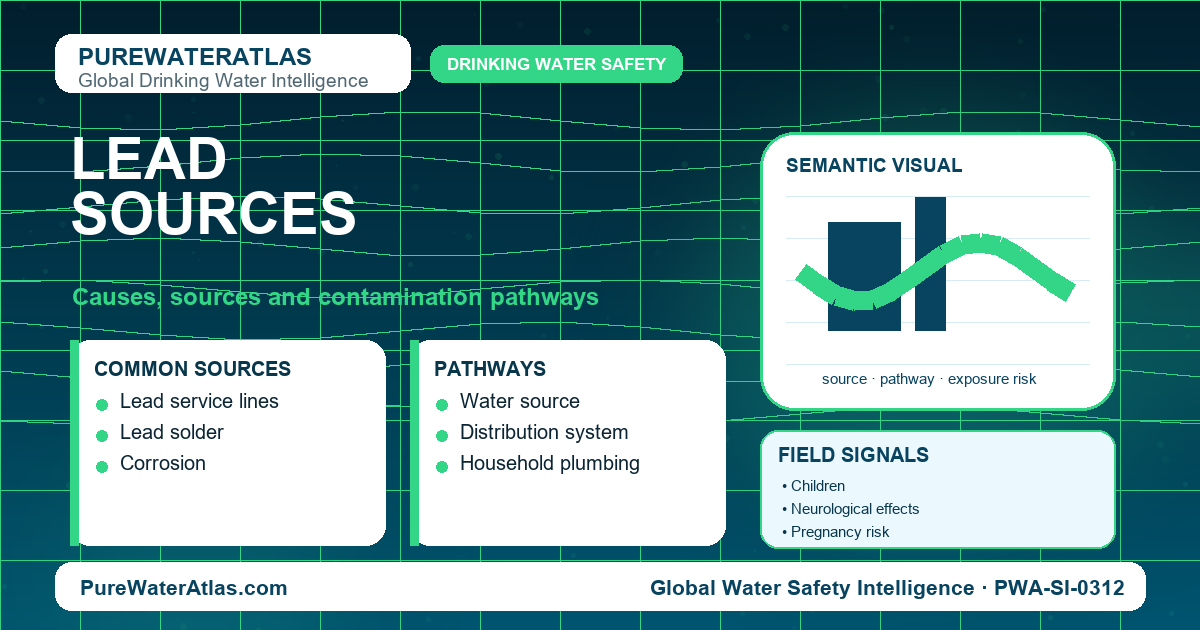
Contamination does not always originate at the source water level. Sometimes it appears after water leaves the treatment plant. Corrosive water can leach metals from service lines, household plumbing, solder, and fixtures. Lead and copper are the most widely recognized examples, but other metals may also enter water this way.
Lead exposure is particularly associated with older homes, schools, and buildings that contain lead service lines or outdated plumbing materials. This category is highly relevant to epa drinking water rules household exposure because contamination may vary from one property to another depending on plumbing age, water chemistry, and fixture use patterns.
Distribution System Problems
Water may become contaminated inside the distribution system through pipe breaks, pressure loss, biofilm development, storage tank issues, cross-connections, or backflow events. These problems can allow microbes or chemicals to enter the system after treatment. Even when source water and plant treatment are well controlled, weak points in distribution can create localized risks.
For more background on microbial contamination pathways, readers can review materials on water microbiology and broader contamination issues at water contamination resources.
Health and Safety Implications
The purpose of drinking water standards is to reduce both short-term and long-term health effects. Different contaminants affect the body in different ways, and some are especially dangerous for infants, pregnant people, older adults, and those with weakened immune systems.
Microbial Risks
Microorganisms can cause gastrointestinal illness, fever, vomiting, diarrhea, dehydration, and in severe cases hospitalization or death. Some pathogens produce short-term illness, while others can create severe complications in vulnerable individuals. Cryptosporidium, for example, is particularly concerning because it is resistant to some disinfection conditions and can be dangerous for immunocompromised people.
Nitrate and Nitrite
Nitrate contamination in drinking water is strongly associated with agricultural runoff, fertilizer use, and septic impacts. High nitrate levels can interfere with oxygen transport in the blood, especially in infants, causing methemoglobinemia, sometimes called blue baby syndrome. This makes nitrate one of the clearest examples of why source control and monitoring matter.
Lead and Copper
Lead can affect brain development, behavior, learning, and cardiovascular health. There is no safe level of lead exposure for children. Copper, while an essential nutrient in small amounts, can cause gastrointestinal symptoms and may contribute to liver or kidney effects at elevated levels in sensitive individuals.
Because these metals often come from plumbing rather than the treatment plant, they illustrate the importance of epa drinking water rules household exposure. Two homes served by the same utility may receive water of different quality at the tap if their plumbing conditions differ.
Arsenic and Other Inorganic Contaminants
Arsenic exposure over time is associated with increased risks of skin changes, circulatory problems, and certain cancers. Other inorganic contaminants, including uranium and radium, may also have significant long-term health implications depending on concentration and duration of exposure.
Organic Chemicals and Industrial Pollutants
Organic chemicals can affect the nervous system, liver, kidneys, reproductive system, or cancer risk profile depending on the compound. Volatile organic compounds, pesticides, and industrial contaminants vary greatly in toxicity, persistence, and exposure pathways. Some create acute symptoms at high levels, while others are primarily a long-term concern.
Disinfection Byproducts
Disinfection byproducts are regulated because long-term exposure at elevated levels may increase risks for certain cancers or affect reproductive outcomes. However, it is equally important to recognize that disinfection remains essential to prevent deadly microbial disease. Public health decisions in this area focus on reducing byproducts without compromising microbial control.
Readers seeking a more focused discussion can see EPA drinking water rules health effects and risks.
Testing and Detection
EPA drinking water rules detection involves a combination of source monitoring, treatment performance checks, distribution system sampling, and in some cases household testing. Detection is not a single event but an ongoing process that depends on contaminant type, system size, water source, and regulatory category.
Utility Monitoring Requirements
Public water systems must test for regulated contaminants according to schedules set by EPA rules or state primacy agencies. Some contaminants require frequent routine monitoring, while others may be sampled less often if previous results have been stable and risk is lower. Utilities also monitor treatment indicators such as turbidity, disinfectant residuals, and microbial markers to confirm that processes are working correctly.
Consumer Confidence Reports are one of the most visible tools for public awareness. These annual reports summarize detected contaminants, compliance status, and the water source used by the system. They can help households understand what has been found in the public supply, though they may not reflect every condition at the tap inside a specific building.
Source Water Assessments
Source water assessments examine the susceptibility of drinking water sources to contamination from nearby land uses and environmental conditions. These assessments consider potential hazards such as agricultural operations, industrial facilities, landfills, roads, wastewater discharges, and naturally occurring geologic conditions.
This source-based approach is central to understanding epa drinking water rules risk factors. Detection works best when utilities know which contaminants are most likely in their watershed or aquifer.
Household Tap Testing
Household testing may be appropriate when there is concern about lead, copper, private well contamination, plumbing corrosion, unusual taste or odor, local industrial activities, or specific health vulnerabilities. Certified laboratories can test for bacteria, nitrate, metals, volatile organic compounds, and many other parameters.
Tap sampling is especially important when contamination is likely to occur after water enters the building. For example, first-draw lead sampling can provide useful information about metal leaching from plumbing. Well owners should test regularly because they do not receive the same routine compliance monitoring as customers of public water systems.
Common Detection Methods
- Microbiological tests for total coliform, E. coli, and other indicators.
- Chemical analyses for nitrate, arsenic, lead, copper, pesticides, solvents, and radionuclides.
- Physical indicators such as turbidity, pH, conductivity, and temperature.
- Treatment performance monitoring including disinfectant residuals and filter effectiveness.
No single test identifies all possible contaminants. Effective detection requires selecting tests based on likely sources, household conditions, local land use, and utility data. For a deeper explanation, see EPA drinking water rules testing and detection methods.
Prevention and Treatment
EPA drinking water rules prevention starts long before contamination reaches the tap. The most effective strategy is a multiple-barrier approach that includes source water protection, proper treatment, secure distribution systems, and informed household practices.
Source Water Protection
Prevention begins with keeping contaminants out of rivers, lakes, and aquifers whenever possible. Common source protection measures include:
- Managing agricultural fertilizer and pesticide use responsibly.
- Maintaining buffer zones near water bodies.
- Upgrading failing septic systems and sewer infrastructure.
- Controlling industrial discharges and waste storage practices.
- Reducing stormwater runoff through green infrastructure and land use planning.
These efforts reduce treatment burdens and help prevent contamination that is difficult or expensive to remove later.
Water Treatment Processes
Public water systems use different treatment methods depending on source water quality and contaminant risks. Common processes include coagulation, flocculation, sedimentation, filtration, and disinfection. Additional specialized treatment may include activated carbon, ion exchange, lime softening, reverse osmosis, or oxidation processes.
Treatment must be carefully optimized. Too little disinfection can allow pathogens to survive, but poorly controlled disinfection can increase byproduct formation. Corrosion control treatment is also essential in systems with lead or copper concerns because it helps reduce metal leaching from pipes and fixtures.
Distribution System Management
Utilities can reduce contamination risks by maintaining pressure, repairing leaks quickly, cleaning storage tanks, preventing cross-connections, and monitoring disinfectant residuals throughout the distribution system. Infrastructure investment is a major part of drinking water safety. Even high-quality treatment cannot fully compensate for deteriorating pipes and unmanaged corrosion.
Household Risk Reduction
For consumers concerned about epa drinking water rules household exposure, several practical steps can help:
- Review the local Consumer Confidence Report.
- Ask the utility whether the home is served by a lead service line.
- Use certified water testing when specific concerns exist.
- Flush stagnant water from taps before drinking or cooking if lead is a concern.
- Use cold water for cooking and infant formula preparation, since hot water can increase metal leaching.
- Maintain home plumbing and replace old fixtures when needed.
- For private wells, test routinely for bacteria, nitrate, and local contaminants of concern.
Point-of-Use and Point-of-Entry Treatment
Household treatment devices can reduce certain contaminants, but they must be selected carefully. Activated carbon may help with some organic chemicals and taste or odor issues. Reverse osmosis can reduce many dissolved contaminants, including some metals and nitrate. Specialized filters may be certified for lead reduction. Ultraviolet disinfection can address microbial risks in some applications, especially for well water.
However, home treatment is not one-size-fits-all. A device that works for chlorine may not work for arsenic, and a filter that reduces lead may not remove bacteria. Proper certification, maintenance, and replacement schedules are essential.
Common Misconceptions
Public understanding of drinking water rules is often shaped by oversimplified assumptions. Clearing up these misconceptions helps people make better decisions.
If Water Looks Clear, It Must Be Safe
Many harmful contaminants are invisible, odorless, and tasteless. Clear water can still contain nitrate, arsenic, lead, solvents, or microorganisms. Appearance alone is not a reliable safety indicator.
EPA Rules Mean No Risk Ever Exists
Regulation reduces risk, but it does not eliminate all possible exposure in every situation. Sampling occurs on schedules, infrastructure can fail, and household plumbing can introduce contaminants after water leaves the treatment plant. Compliance is important, but it is not the same as zero risk.
All Contamination Comes from Industrial Pollution
Industrial activity is only one source. Natural geology, farming, septic systems, urban runoff, treatment byproducts, and plumbing corrosion all contribute to drinking water concerns. This is why the topic of epa drinking water rules causes and sources must be viewed broadly.
Boiling Water Solves Every Problem
Boiling can help kill many microorganisms, but it does not remove metals, nitrate, or most chemical contaminants. In some cases, boiling can even concentrate dissolved substances as water evaporates. The right response depends on the contaminant involved.
Private Wells Are Automatically Safer Than Public Water
Some people assume that well water is purer because it comes from underground, but private wells can contain bacteria, nitrate, arsenic, pesticides, and other contaminants. Unlike public systems, well owners are generally responsible for their own testing and treatment.
Filters Remove Everything
No single household filter removes all contaminants. Effectiveness depends on the technology, certification, contaminant concentration, maintenance, and installation. Consumers should verify performance claims carefully.
Regulations and Standards
EPA drinking water regulations are part of a broader public health framework that includes federal rules, state implementation, utility responsibilities, and public notification requirements. Understanding these standards helps explain why contamination sources are monitored differently depending on the hazard.
Safe Drinking Water Act Framework
The Safe Drinking Water Act authorizes the EPA to establish national primary drinking water regulations for contaminants that may harm human health and are likely to occur in public water systems. States may assume primary enforcement authority, often called primacy, if they adopt standards at least as strict as federal rules and maintain adequate oversight programs.
Primary and Secondary Standards
Primary standards are health-based and enforceable. They apply to contaminants that can cause adverse health effects. Secondary standards address aesthetic issues such as taste, odor, color, staining, or corrosivity. Although secondary contaminants may not always pose direct health risks at typical levels, they can still affect consumer acceptance and system performance.
Examples of Regulated Areas
- Microbial rules addressing coliform bacteria and treatment for surface water pathogens.
- Lead and Copper Rule requirements for corrosion control and tap sampling.
- Arsenic, nitrate, fluoride, and radionuclide standards.
- Rules limiting disinfection byproducts in finished water.
- Requirements for public notification and Consumer Confidence Reports.
Monitoring, Reporting, and Enforcement
When a system exceeds a maximum contaminant level, fails to meet a treatment technique, or violates monitoring requirements, it may be required to notify consumers, take corrective actions, and increase oversight. Public notification is a critical part of the rules because it allows residents to respond quickly when a problem occurs.
Regulatory standards also evolve over time. New scientific findings, improved detection methods, and emerging contaminants can influence future rule updates. This means that drinking water regulation is not static; it is an ongoing process of reassessment and risk management.
Why Standards Focus on Sources
Regulations are most effective when they address contamination pathways as well as contaminants themselves. A system dealing with agricultural nitrate requires different prevention strategies than one dealing with lead service lines or industrial solvent plumes. Identifying sources allows utilities and regulators to direct resources where they will have the greatest health benefit.
Conclusion
Understanding epa drinking water rules causes and sources is essential for anyone who wants to make sense of drinking water quality reports, household testing decisions, or public health guidance. EPA rules are not just technical limits on a laboratory chart. They are a structured response to real-world contamination pathways that include natural geology, agriculture, wastewater, urban runoff, industrial activities, treatment chemistry, and aging plumbing.
The most important takeaway is that safe drinking water depends on multiple layers of protection. Source water must be protected, treatment must be well managed, infrastructure must be maintained, and household-specific risks must not be ignored. This is why topics such as epa drinking water rules common sources, epa drinking water rules risk factors, epa drinking water rules detection, epa drinking water rules prevention, and epa drinking water rules household exposure are all connected.
For the public, the best next steps are practical: learn where local water comes from, read water quality reports, understand the age and condition of household plumbing, and pursue targeted testing when risks are suspected. For communities and utilities, continued investment in source protection, treatment optimization, and infrastructure renewal remains the foundation of long-term water safety.
In the end, drinking water regulations work best when people understand not only what the rules say, but also why those rules exist. Causes and sources are the starting point for prevention, detection, and healthier communities.
Read the full guide: Drinking Water Safety Guide
Explore more in this category: Drinking Water Safety Articles