Introduction
Water is essential for drinking, cooking, cleaning, sanitation, food production, and overall public health. Yet around the world, many households face growing concerns about water scarcity, contamination, aging infrastructure, and unequal access to safe supplies. A practical global water crisis overview home safety checklist helps families understand how large-scale water problems can affect everyday life inside the home. While the global water crisis may seem like a distant environmental or policy issue, it often shows up in very local ways: unusual taste or odor in tap water, reduced pressure, boil water advisories, flooding, drought restrictions, or concern about contaminants from pipes, wells, and surrounding land use.
This article explains the home-level implications of the global water crisis in a clear and actionable way. It covers what the crisis means, where risks come from, how to spot warning signs, how to test household water, and what prevention steps can reduce exposure. It also addresses common misunderstandings and outlines the role of regulations and standards in water safety.
For readers seeking a broader foundation, it can be helpful to review resources such as this complete guide and additional articles in the global water quality category. For home-focused planning, the most important goal is simple: identify risks early, reduce avoidable exposure, and maintain a safe, reliable water supply for all household members.
What It Is
The global water crisis refers to the combined challenges of inadequate access to clean water, water pollution, overuse of freshwater resources, failing infrastructure, climate stress, and sanitation gaps. It is not one single problem. Instead, it includes multiple overlapping issues that affect both communities and individual homes. In some places the main concern is quantity, such as drought, aquifer depletion, or seasonal shortages. In others, the main concern is quality, such as microbial contamination, heavy metals, industrial pollutants, agricultural runoff, or pipe corrosion.
From a household perspective, a global water crisis overview home safety checklist should focus on two questions:
- Is there enough water available for daily needs?
- Is the water safe for drinking, cooking, bathing, and cleaning?
Even homes connected to regulated municipal systems are not automatically free from risk. Treatment plants, source water conditions, storm events, distribution system failures, and building plumbing can all influence what comes out of the tap. Private well users face additional challenges because they are often directly responsible for monitoring and maintaining their own water supply.
The crisis also includes the fact that water threats are becoming more complex. Population growth increases demand. Urban expansion changes drainage and pollution patterns. Floods can overwhelm treatment systems. Drought can concentrate contaminants and reduce reservoir levels. Older pipes may leach metals or allow infiltration. In short, a global issue becomes a household issue when water reliability or safety changes where people live.
Homeowners and renters alike benefit from understanding the basics of global water crisis overview inspection practices. Inspection means not only checking visible plumbing conditions but also paying attention to environmental changes, utility notices, and water quality indicators inside the home. With the right checklist, households can move from uncertainty to informed action.
Main Causes or Sources
The causes behind water insecurity and contamination are varied, but most household risks can be traced to a few major categories. Understanding these sources helps families prioritize the right inspection and prevention measures.
Climate Change and Extreme Weather
Climate change is reshaping rainfall patterns, snowpack, drought frequency, wildfire intensity, and flood events. Drought can reduce available water and increase the concentration of dissolved pollutants. Heavy rainfall and flooding can wash sewage, fertilizers, sediment, and industrial waste into rivers, lakes, and groundwater. Wildfires may alter watersheds and raise levels of ash, debris, and treatment-resistant compounds in source water.
These changes are important in any global water crisis overview risk signs discussion because extreme weather often creates sudden water quality shifts. A home may have safe water for years and then experience temporary or recurring problems after a flood, storm, or prolonged dry period.
Aging Infrastructure
Many communities rely on water mains, service lines, treatment facilities, storage systems, and household plumbing that are decades old. Infrastructure deterioration can lead to leaks, cross-connections, pressure loss, and corrosion. In older homes and neighborhoods, lead-bearing plumbing materials remain a serious concern. Corrosion can also release copper, iron, and other materials into drinking water.
At the household level, infrastructure problems may appear as discoloration, sediment, metallic taste, reduced pressure, or intermittent service. A proper global water crisis overview inspection includes not only visible fixtures but also pipe age, plumbing materials, and recent repair history.
Agricultural Runoff
Farms can contribute nutrients such as nitrogen and phosphorus, pesticides, herbicides, animal waste, and sediment to nearby water bodies. Nitrate contamination is a particular concern in some rural areas, especially for private wells. Excess nutrients can also contribute to algal blooms, some of which produce toxins harmful to people and animals.
Homes near agricultural regions may need stronger global water crisis overview household testing routines, especially if they use private wells or small local systems.
Industrial and Commercial Pollution
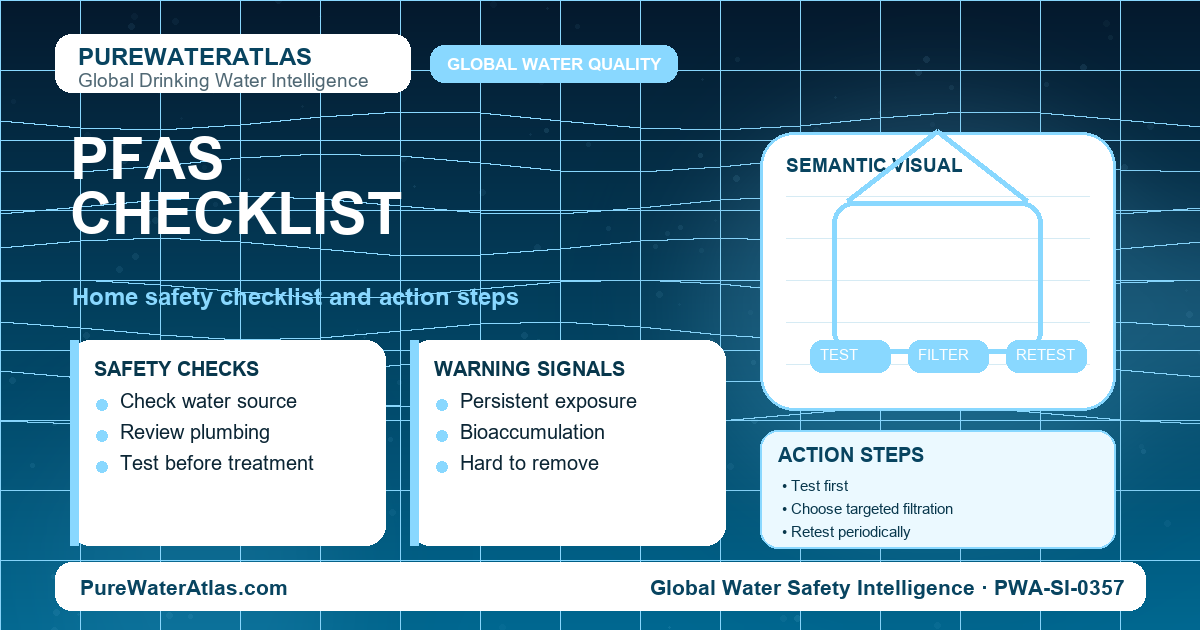
Factories, mining sites, landfills, fuel storage facilities, dry cleaners, and other commercial operations may introduce chemicals into soil and water. Contaminants can include solvents, petroleum compounds, heavy metals, PFAS, and other persistent substances. Some pollution events are dramatic and obvious, but others are slow-moving and difficult to detect without laboratory testing.
Where current or former industrial activity exists nearby, home safety planning should include source awareness, local environmental reports, and consultation with utilities or public health officials when concerns arise.
Wastewater and Sewage Problems
Broken sewer lines, failing septic systems, combined sewer overflows, and inadequate sanitation can introduce bacteria, viruses, and parasites into water supplies. After major storms, microbial risks often increase. Homes with private septic systems should understand that wastewater management is part of water safety, not a separate issue.
Household Plumbing and Storage Conditions
Not all contamination comes from outside the home. Water may enter a building safely and become unsafe through internal plumbing, poorly maintained filters, stagnant conditions, biofilm growth, dirty fixtures, or inappropriate water storage. Hot water systems, unused taps, refrigerators with water dispensers, and humid spaces can all contribute to quality concerns if neglected.
For this reason, a useful global water crisis overview maintenance tips checklist always includes fixture cleaning, filter replacement, flushing of infrequently used lines, and inspection of water heaters and storage containers.
Readers interested in a deeper explanation of source pathways can explore this causes and sources guide.
Health and Safety Implications
Unsafe water can affect health immediately or over time, depending on the contaminant, the dose, and the vulnerability of the person exposed. Some hazards produce rapid symptoms, while others may go unnoticed for years.
Microbial Hazards
Bacteria, viruses, and parasites can cause gastrointestinal illness, fever, vomiting, diarrhea, dehydration, and more serious complications in vulnerable individuals. Infants, older adults, pregnant women, and people with weakened immune systems face greater risk. Microbial contamination is often associated with sewage intrusion, floodwater impact, treatment failures, and poorly maintained private wells.
Chemical Contaminants
Chemical exposures vary widely in severity and timing. Nitrates may be especially dangerous for infants. Lead exposure can impair neurological development in children and contribute to cardiovascular and kidney problems in adults. Arsenic, certain industrial chemicals, and some disinfection byproducts may be linked to long-term health risks with repeated exposure. Pesticides and solvents can also pose acute or chronic hazards depending on concentration and duration.
Physical and Aesthetic Indicators
Taste, odor, cloudiness, color, and sediment do not always predict safety, but they matter. Aesthetic changes can be early warning signs of plumbing issues, source water changes, or treatment problems. Brown or reddish water may suggest rust or disturbed sediment. A rotten egg smell can indicate hydrogen sulfide or bacterial activity. Oily sheen, foam, or unusual chemical taste should never be ignored.
These are important global water crisis overview risk signs because households often notice sensory changes before they have a confirmed explanation.
Indirect Safety Impacts
Water problems affect more than drinking. Poor water quality can interfere with food preparation, infant formula mixing, handwashing, bathing, laundry, dishwashing, and cleaning medical devices. Water shortages can reduce sanitation and increase hygiene-related illness. Pressure loss can allow contaminants to enter distribution lines. Flood-related water damage can also create mold and structural hazards.
A comprehensive home safety checklist should therefore include both direct ingestion risks and broader household impacts.
For a fuller look at disease and exposure outcomes, see this overview of health effects and risks and related resources in the drinking water safety category.
Household Risk Groups
Some households need a more cautious approach. Extra attention is warranted if the home includes:
- Infants or young children
- Pregnant individuals
- Older adults
- People with kidney disease, liver disease, or weakened immune systems
- Users of private wells or rainwater systems
- Homes in flood-prone, drought-prone, agricultural, or industrial areas
Where any of these conditions apply, routine monitoring and response planning become especially important.
Testing and Detection
Testing is one of the most important parts of a global water crisis overview home safety checklist. Water cannot be judged by appearance alone. Some dangerous contaminants are invisible, odorless, and tasteless. Effective testing combines observation, record review, and laboratory analysis.
Start With Utility or Source Information
If the home uses a municipal supply, review the utility’s annual water quality report and any current advisories. Learn the source of the water, common local concerns, and whether there have been recent violations, treatment changes, or infrastructure disruptions. If the home uses a private well, gather records on well depth, construction, age, maintenance, and previous test results.
Observe Water Quality at the Tap
Households should routinely check for practical warning signs, including:
- Sudden change in taste, smell, or color
- Cloudiness that does not quickly clear
- Visible particles or sediment
- Staining on fixtures, laundry, or dishes
- Reduced water pressure or intermittent service
- Blue-green stains that may indicate copper corrosion
- Rust-colored water after plumbing disturbance
- Recurring digestive illness without a clear cause
These global water crisis overview risk signs do not identify a specific contaminant by themselves, but they signal the need for further inspection or testing.
Household Testing Priorities
A strong global water crisis overview household testing plan should be based on local conditions, plumbing age, and source type. Common testing targets include:
- Total coliform bacteria and E. coli
- Lead and copper
- Nitrate and nitrite
- Arsenic
- Iron and manganese
- pH, hardness, and total dissolved solids
- PFAS where regionally relevant
- Pesticides or solvents if contamination is suspected
Municipal water users may focus more on plumbing-related contaminants such as lead, while private well owners often need broader routine testing because they are not covered by the same ongoing utility monitoring.
When to Test
Households should consider testing:
- When moving into a new home
- After flooding, wildfire, or major storm events
- After plumbing work, well repairs, or long periods of vacancy
- When a household member becomes pregnant or an infant is expected
- When taste, odor, color, or pressure changes appear
- Annually for common private well parameters, or more often if local risks are known
Home Test Kits vs. Certified Laboratory Testing
Simple home kits can be useful for screening some parameters, but they have limitations. They are not a substitute for certified laboratory testing when health decisions depend on accurate results. Laboratory analysis is usually preferred for lead, nitrates, bacteria, arsenic, PFAS, and other contaminants with significant health implications.
As part of global water crisis overview inspection, households should keep written records of sample dates, locations, methods, and results. Trend tracking helps identify changes over time and supports better maintenance decisions.
Inspection Checklist for the Home
- Identify whether water comes from a public system, private well, hauled supply, or other source
- Review recent utility reports or well records
- Check pipe materials if the home is older
- Inspect faucets, aerators, refrigerator lines, and filter housings
- Confirm filter type, installation date, and replacement schedule
- Look for leaks, corrosion, standing water, or mold near plumbing
- Inspect water heater condition and temperature settings
- Examine the area around private wells for runoff, ponding, or nearby contamination sources
- Check septic system maintenance status if applicable
Prevention and Treatment
Prevention is often more effective and less expensive than trying to correct a severe contamination problem after exposure has occurred. The most useful global water crisis overview protection steps combine source protection, system maintenance, emergency readiness, and treatment matched to the actual contaminant.
Basic Household Protection Steps
- Use only cold water for drinking and cooking, especially in older homes
- Flush taps after water has been sitting in pipes for several hours
- Clean faucet aerators and refrigerator dispenser nozzles regularly
- Replace filters on time according to manufacturer specifications
- Store emergency safe water supplies for outages or contamination events
- Pay attention to utility alerts, boil water notices, and local public health guidance
- Keep hazardous chemicals, fuels, and pesticides away from wells and drainage paths
Private Well Protection
Well owners need a more active prevention strategy. Important global water crisis overview protection steps include:
- Inspecting the well cap and casing for damage
- Maintaining proper grading so surface water flows away from the well
- Keeping livestock, fertilizer storage, and chemical handling areas at safe distances
- Testing the well regularly and after major weather events
- Disinfecting and servicing the well when contamination is confirmed or repairs occur
- Maintaining the septic system to prevent groundwater contamination
Treatment Options
There is no single water treatment device that solves every problem. Treatment should be selected based on verified test results, not marketing claims alone. Common options include:
- Activated carbon filters: often used for taste, odor, chlorine, and some organic compounds
- Reverse osmosis systems: may reduce lead, nitrates, arsenic, and many dissolved contaminants, depending on design
- Ultraviolet disinfection: used to inactivate certain microorganisms when water is otherwise clear and properly pretreated
- Water softeners: mainly address hardness, not general contamination
- Oxidation and filtration systems: often used for iron, manganese, or hydrogen sulfide issues
- Distillation: effective for some dissolved solids and contaminants, but slower and more energy intensive
Point-of-use treatment at a kitchen tap can be effective for drinking and cooking water, while whole-house systems may be needed when contaminants affect bathing, plumbing, or all indoor uses. Readers comparing technologies may benefit from the resources in the water treatment systems category.
Maintenance Tips for Ongoing Safety
Reliable treatment depends on upkeep. Strong global water crisis overview maintenance tips include:
- Following filter replacement schedules exactly
- Using certified products appropriate for the contaminant of concern
- Sanitizing equipment when recommended
- Checking seals, tubing, housings, and storage tanks for leaks or biofilm
- Re-testing water after treatment installation to confirm performance
- Keeping manuals, service records, and lab reports organized
Neglected treatment devices can become ineffective or even create new problems. A filter that is not changed on time may stop reducing contaminants and may also reduce flow or harbor microbial growth.
Emergency Planning
Every home should prepare for short-term disruption. Store enough safe water for drinking and basic hygiene, learn how to disinfect water in emergencies when appropriate, and know the difference between a boil water notice and a do-not-drink notice. Boiling can address many microbial hazards, but it does not remove all chemicals or metals. If a chemical contamination advisory is issued, follow official instructions rather than relying on boiling.
Common Misconceptions
Misunderstandings about water safety can lead households to take the wrong actions or delay needed testing. Clearing up a few common myths is an important part of any educational checklist.
If Water Looks Clear, It Must Be Safe
This is false. Many dangerous contaminants are invisible. Lead, nitrates, arsenic, and numerous synthetic chemicals may be present with no obvious sensory warning signs. Clear water can still be unsafe.
Bottled Water Is Always Safer Than Tap Water
Not necessarily. Bottled water quality varies by source, storage conditions, and brand controls. It also does not address water used for cooking, brushing teeth, or bathing. In many areas, properly managed tap water is highly regulated and reliable. The safer option depends on the actual source and current risk conditions.
Boiling Water Solves Every Water Problem
Boiling is useful mainly for microbiological concerns. It does not remove lead, nitrates, PFAS, salts, or many industrial chemicals. In some cases, boiling can slightly concentrate dissolved contaminants as water evaporates.
Filters Are Interchangeable
They are not. Different filters target different contaminants. A product that improves taste may do little for lead or nitrate. Households should choose treatment based on certified performance claims and actual test results.
Municipal Water Means No Home Responsibility
Public systems do a great deal to protect consumers, but water can still be affected by building plumbing, aging service lines, faucet fixtures, and storage conditions within the home. Households remain responsible for what happens after water enters the property.
Well Water Is Natural, So It Is Automatically Safe
Natural does not mean uncontaminated. Groundwater can contain bacteria, nitrates, arsenic, iron, manganese, or human-made chemicals. Private wells require routine monitoring and maintenance.
Only Rural Areas Face Water Safety Risks
Urban households also face major concerns, including aging infrastructure, lead service lines, stormwater impacts, industrial legacy pollution, and high demand on old treatment and distribution systems. The global water crisis affects both dense cities and remote communities, though the sources of risk may differ.
Regulations and Standards
Water safety depends partly on strong standards, consistent monitoring, transparent reporting, and enforcement. Regulations vary by country and region, but most frameworks set maximum allowable levels for certain contaminants, treatment requirements, and reporting obligations for public water systems.
Public Water Systems
Municipal and community water suppliers are generally required to test for regulated contaminants, treat water to meet specific standards, and notify customers when violations or acute risks occur. These systems may publish annual consumer confidence or water quality reports that summarize source water, detected contaminants, and compliance status.
However, regulation does not eliminate all risk. Standards may not cover every emerging contaminant, and system-wide compliance does not guarantee that every building’s plumbing is free from issues. A building with old lead-bearing components can still have household exposure concerns even when the utility meets current standards.
Private Wells and Small Supplies
Private wells are often not regulated in the same way as large public systems. That means the homeowner is usually responsible for testing, maintenance, and corrective action. This gap is one reason the global water crisis has a strong household dimension. Many families must manage technical water safety decisions on their own.
Why Standards Matter
Regulations help define what is considered safe, but they also have practical limits. Standards may evolve as new science emerges. Detection methods improve. Health guidance may become stricter over time. Households should view regulations as a baseline, not a reason to ignore local warning signs or skip testing when conditions warrant it.
How to Use Standards at Home
- Review your utility’s published reports and notices
- Compare household test results to recognized health-based benchmarks
- Consult local health departments or certified water professionals when results are unclear
- Keep records so you can track changes and support future inspections or property decisions
An informed household understands both the benefits and the limitations of regulatory oversight. That understanding makes the global water crisis overview home safety checklist more practical and more effective.
Conclusion
The global water crisis is not only a matter of international development, climate policy, or environmental management. It is also a household safety issue that affects drinking water, sanitation, hygiene, plumbing reliability, and family health. A strong global water crisis overview home safety checklist helps turn a broad and often overwhelming topic into a manageable set of actions.
The most important steps are to understand your water source, watch for changing conditions, perform routine global water crisis overview inspection, respond to global water crisis overview risk signs, and use verified global water crisis overview household testing when needed. Households should also follow practical global water crisis overview maintenance tips and choose treatment technologies based on real contaminant data rather than assumptions. Finally, effective global water crisis overview protection steps include emergency preparedness, infrastructure awareness, and regular review of local water quality information.
No single article can remove every water risk, but informed households are better equipped to ask the right questions and take the right precautions. By combining awareness, testing, maintenance, and appropriate treatment, families can reduce exposure and build resilience even as water challenges grow worldwide.
Read the full guide: Global Water Quality Guide
Explore more in this category: Global Water Quality Articles